“From Landmarks to Hidden Gems – Find Them All!”
From Cafés to Hidden Corners – Taste, Explore & Discover
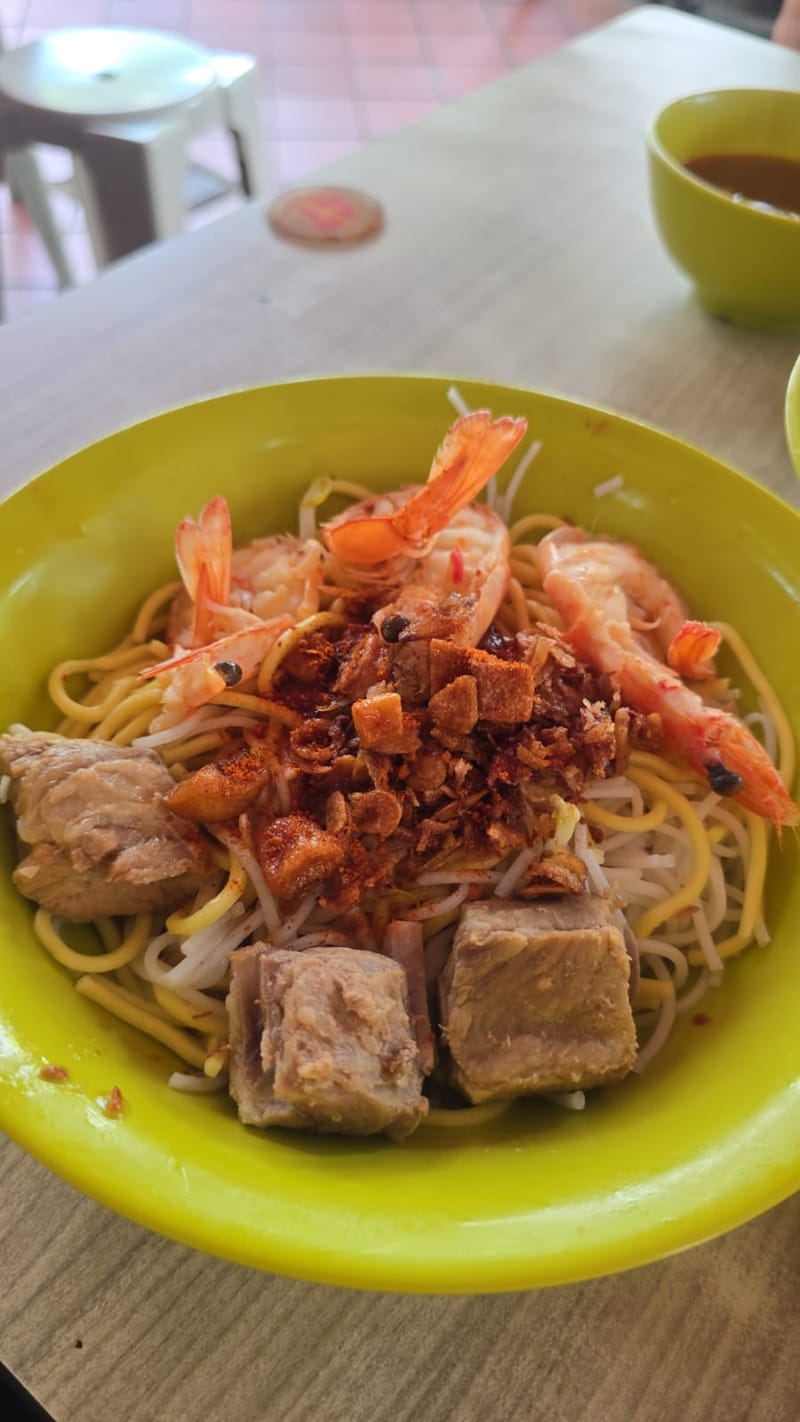
Blanco Court Prawn Mee
Blanco Court Prawn Mee at 243 Beach Road is a well-known Singapore eatery with roots dating back to 1928. Founded by Mr. Lee Pi Duan from Nan’an, Fujian, it began as a simple street stall near Bugis and Beach Road. After refining his recipe, the business moved near Blanco Court in 1936, giving rise to its name, and later relocated to its current site in 1978. The heritage has been passed down through four generations, now led by Mr. Chen Kwan (Mr. CK). The stall is famed for its rich prawn-and-pork broth, large prawns, customizable noodles, and tasty dry version. It operates daily except Tuesdays, with prices from $4.90 to $11.00.
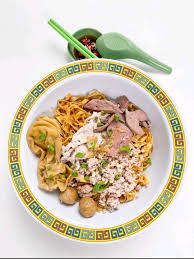
Hill Street Tai Hwa Pork Noodle *Michelin-star
Hill Street Tai Hwa Pork Noodle is one of Singapore’s most legendary hawker stalls, celebrated for its bak chor mee (minced pork noodles). Established in the 1930s, it first operated along Hill Street before relocating to Crawford Lane, where it continues to thrive today. The stall has been passed down through generations of the Tang family, with Mr. Tang Chay Seng becoming its most recognisable figure. Its signature bak chor mee is known for springy noodles coated in a rich, vinegary and savoury sauce, topped with minced pork, braised mushrooms, dumplings, pork slices and crispy sole fish. In 2016, it earned a Michelin star, a title it has retained, drawing long queues daily. Expect a wait of 30 minutes or more during peak hours. Visiting Info: 📍 Address: 466 Crawford Lane, #01-12, Tai Hwa Eating House, Singapore 🕒 Opening Hours: Around 9:30 AM – 8:30 PM (closed on Monday) 💲 Price: S$6–S$10 per bowl, depending on portion size
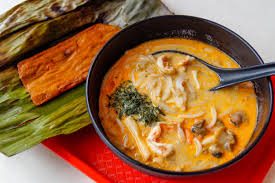
328 Katong Laksa
328 Katong Laksa is one of Singapore’s most iconic laksa brands, celebrated for its creamy, spicy coconut-based broth and strong Peranakan roots. Founded in the 1990s in the Katong area, it rose to national fame after defeating celebrity chef Gordon Ramsay in the 2013 Hawker Heroes Challenge. Its signature laksa lemak is rich and aromatic, made with coconut milk, dried shrimp, spices, and sambal chili. The noodles are cut short so the dish can be eaten with a spoon, and it is topped with prawns, cockles, fishcake, and chili. The flagship outlet is at East Coast Road, with several branches across Singapore. A bowl typically costs S$6–S$8.
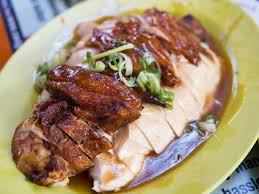
Tian Tian Hainanese Chicken Rice – Maxwell Food Centre
Tian Tian Hainanese Chicken Rice is one of Singapore’s most renowned hawker stalls, famous for its tender poached chicken and aromatic rice. Located at Maxwell Food Centre on Kadayanallur Street, it is a must-try for both locals and visitors. The stall gained international fame after being featured by celebrity chef Anthony Bourdain and has also received praise from Gordon Ramsay, frequently appearing on lists of Singapore’s iconic dishes. Its signature plate features silky, skin-on chicken, fragrant rice cooked in chicken stock with garlic and ginger, and classic accompaniments of chilli sauce, ginger paste and dark soy sauce. Prices remain affordable, typically around S$4–S$6 per plate, with opening hours from about 11:00 AM to 8:30 PM daily.

Hill Street Char Kway Teow
Hill Street Char Kway Teow is a well-known hawker stall in Singapore, famous for its stir-fried flat rice noodles cooked with traditional wok hei (charred aroma). Overview Location: 16 Bedok South Road, #01-21, Singapore 460016 (or verify local branch as some operate in hawker centers) Cuisine: Char Kway Teow (stir-fried flat rice noodles) Recognition: Celebrated for its fragrant and smoky flavors, typical of traditional Singaporean char kway teow. Often praised by local food bloggers and featured in hawker food guides.
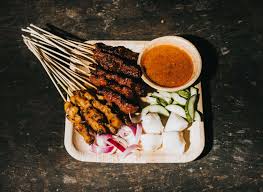
East Coast Lagoon Food Village Satay famous spot
East Coast Lagoon Food Village Satay is one of Singapore’s most popular places to enjoy traditional satay in a relaxed seaside hawker setting. Located at East Coast Lagoon Food Village along East Coast Parkway, it is well known for its smoky charcoal-grilled skewers and casual coastal atmosphere. The satay includes chicken, beef, lamb, and sometimes seafood, all marinated in fragrant spices before grilling. It is served with rich peanut sauce, ketupat (rice cakes), onions, and cucumbers. Well-known stalls such as Chuan Kee Satay and Haron Satay attract locals and visitors alike. Most stalls operate from around 5:00 PM to midnight, with prices averaging S$0.70 to S$1.20 per stick. The food village is ideal for an evening meal by the beach, often paired with seafood and local drinks.
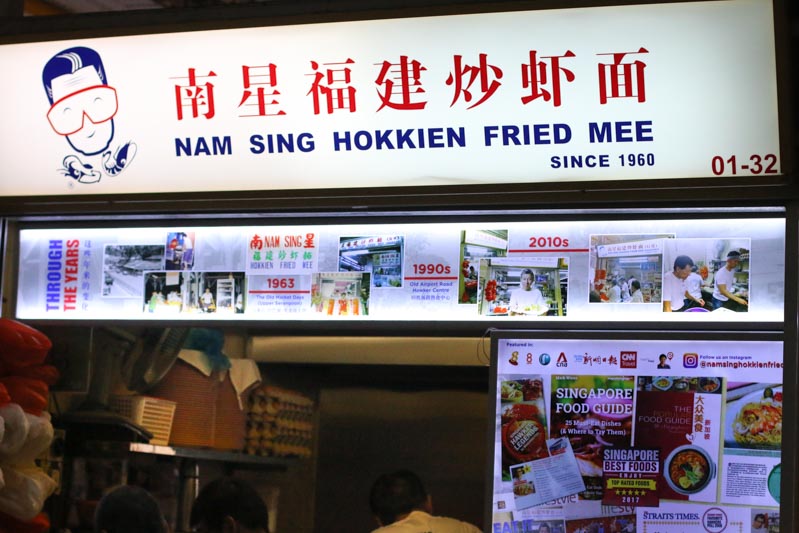
Nam Sing Hokkien Fried Mee (Michelin Guide)
Nam Sing Hokkien Fried Mee has a rich history that reflects Singapore’s hawker heritage. The Nam Sing story begins in the 1940s, when early Chinese immigrants from Fujian refined what is now Singapore Hokkien mee, combining noodles with seafood and wok-frying them over charcoal. The official stall was opened in the 1960s by Ng Hock Wah, whose family already had deep roots in this style of noodle cooking. Initially operating as a street-side stall in local wet markets, it relocated to Old Airport Road Food Centre in the 1990s, becoming a staple of the hawker centre’s noodle scene. Now in its third generation, the family continues to uphold traditional techniques and consistency. Nam Sing is known for its subtle blend of egg noodles and rice vermicelli, slowly fried to absorb rich prawn-and-meat stock, served with cut chillies instead of sambal to highlight the wok’s smoky flavour. Its enduring popularity draws long queues, cementing its place in Singapore’s hawker legacy.
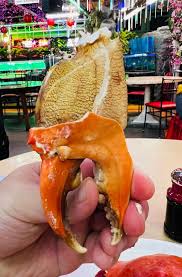
No Signboard Seafood ( White Pepper Crab )
Founded in the 1970s in Singapore, No Signboard Seafood began as a humble seafood stall with no signboard—hence the name. It quickly gained fame for its White Pepper Crab, a dish that became a local favorite and helped define Singapore’s modern seafood cuisine. Over the decades, the brand expanded into multiple outlets while maintaining its commitment to fresh, high-quality seafood and authentic flavors, earning its place as one of Singapore’s most iconic seafood establishments.

Song Fa Bak Kut Teh ( Pork Rib Tea )
Song Fa Bak Kut Teh is a well-known Singapore brand famous for its Teochew-style pork rib soup, featuring tender ribs simmered in a clear, peppery, and garlicky broth. From its central locations at New Bridge Road near Clarke Quay to Chinatown Point, the brand has expanded widely across Singapore. Outlets can be found in major shopping malls such as Suntec City, Jewel Changi Airport, HarbourFront Centre, The Centrepoint, Novena Square, Northpoint City, Jem, and Waterway Point, as well as Bukit Panjang Plaza and Seletar Mall. Song Fa also operates at ESR BizPark @ Changi and Mandai Wildlife East. Most outlets open daily from around 10:00 AM to 9:30 PM. All branches serve the same signature bak kut teh with free soup refills, often enjoyed with you tiao and mushrooms.
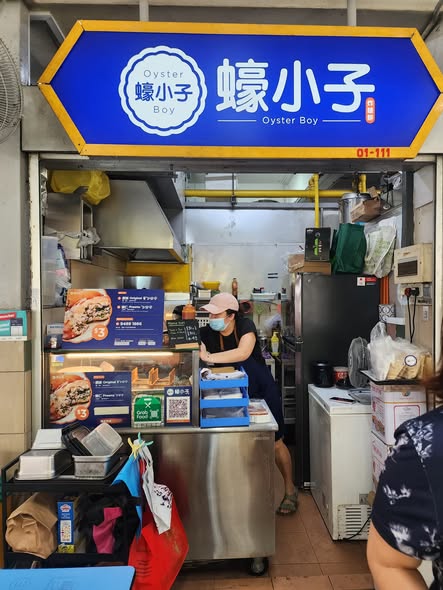
Oyster Boy 蠔小子 Golden Mile Food Center
Oyster Boy 蠔小子 began as a passion project by Edmund Lye, a former graphic designer in his early 40s who left the advertising industry after more than 15 years in search of a more meaningful and flexible career. Feeling burnt out by the pressures of corporate life and driven by his long-time love for traditional Fuzhou oyster cakes, he spent about six months testing and refining his own recipe before officially opening the stall in early 2025. Although inspired by a favourite oyster cake he used to enjoy at a Jalan Besar stall, Edmund created his own version — focusing on a juicier minced-meat filling and a lighter, less greasy batter. He invested approximately S$20,000 to start the business and now operates the stall alongside his mother, who brings experience from her background in zi char cooking. Despite a modest beginning and the time it took to break even — joking that he was even “scared to tell his mother-in-law” about his career switch — Oyster Boy has gradually built a loyal following by reviving a traditional hawker snack with dedication and craftsmanship.
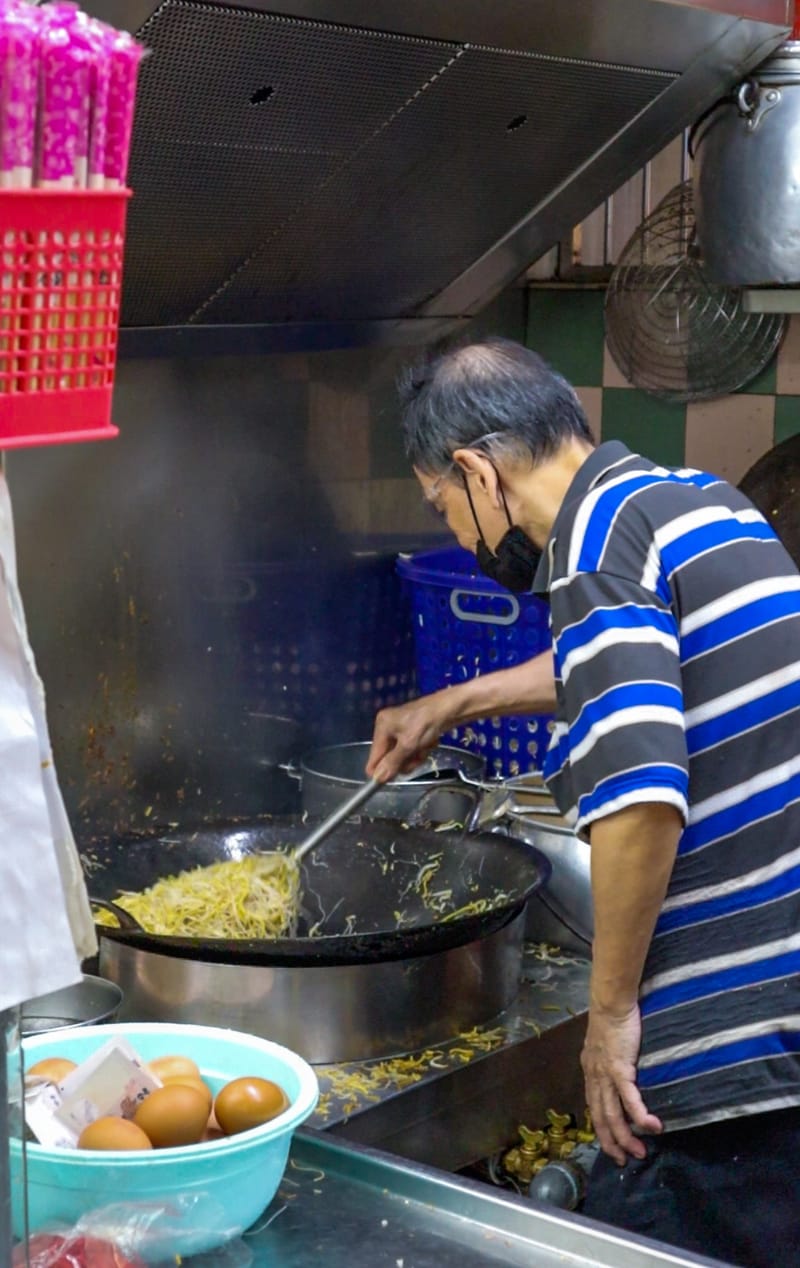
(Hainan Fried Hokkien Prawn Mee) Golden Mile Food Centre 海南福建炒虾麵
Located in Golden Mile Food Centre, 海南福建炒虾麵 traces its roots to the 1950s. The story began in old Rochor, where a Hainanese hawker created his own version of Hokkien prawn mee. Cooked over charcoal in heavy iron woks, his distinctive dry-style noodles combined yellow noodles and bee hoon fried in rich prawn and pork stock until fully absorbed. Unlike the wetter versions elsewhere, his plate delivered concentrated flavour, smoky wok hei, and a balanced savouriness that regulars nicknamed “Rochor mee.” Today, the founder’s son continues the tradition, running the stall at Golden Mile for over 30 years. The method remains unchanged: stock patiently brewed, noodles carefully fried to absorb broth, and moisture and char judged by experience. The stall stands out not for innovation, but for continuity — preserving heritage, cross-dialect influence, and the enduring craftsmanship of Singapore’s hawker culture.
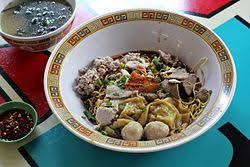
Hill Street Tai Hwa Pork Noodle — A Hawker Legend 肉脞面 小贩传奇
Hill Street Tai Hwa Pork Noodle traces its beginnings to 1932, when Tang Joon Teo opened a stall along Hill Street. It became famous for Teochew-style bak chor mee—springy egg noodles tossed in black vinegar and chilli paste, topped with minced pork, sliced pork, liver, and dried sole fish, creating a sharp, savoury flavour loved by locals. The family continued the business after decades on Hill Street. In the 1990s, it moved to Marina Square, before relocating to Crawford Lane in 2004, where it is run by Tang Chay Seng, the founder’s son. In 2016, when the Michelin Guide launched its Singapore edition, the stall became one of the world’s first hawker stalls to earn a Michelin star, a recognition it has retained for consistent quality. Operating as a modest coffeeshop stall, it draws long queues and remains a symbol of generational continuity and authentic Singapore hawker heritage.
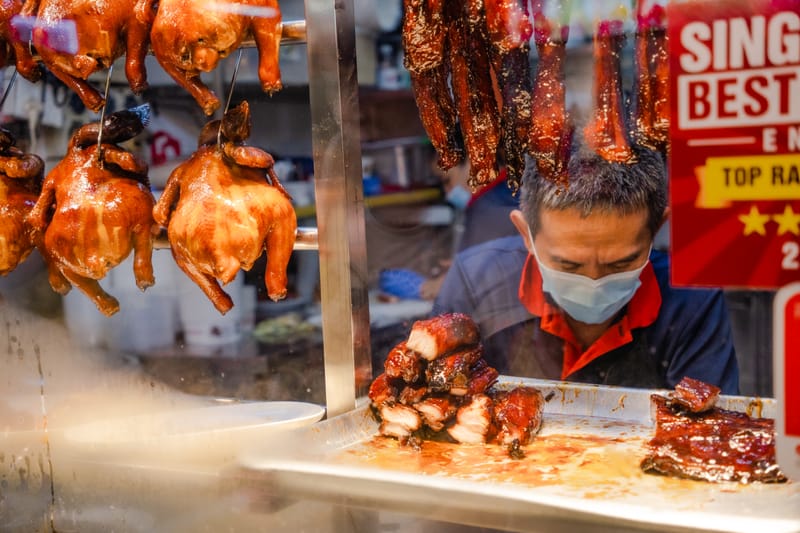
Hong Kong Soya Sauce Chicken Rice & Noodle (Michelin Star)
Hong Kong Soya Sauce Chicken Rice & Noodle, founded by Chan Hon Meng at Chinatown Complex Food Centre in Singapore, rose to global fame in 2016 when it became one of the world’s first hawker stalls to receive a MICHELIN Star in the inaugural MICHELIN Guide Singapore. The stall is known for its Cantonese-style soya sauce chicken rice and noodles, featuring tender braised chicken in a house-made soy sauce, alongside char siew and roast pork. At the time of its award, it was widely described by international media as the “world’s cheapest MICHELIN-starred meal.” The stall retained its star for several years before losing it in later editions of the guide, though it remains historically significant in Singapore’s food culture. Prices have risen with inflation but typically remain affordable, with soya sauce chicken rice or noodles costing around SGD 4–6 and mixed plates higher. The original hawker stall at Chinatown Complex is still operating today, although several overseas Hawker Chan outlets have closed.
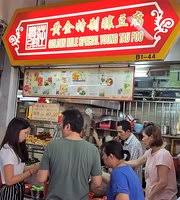
Golden Mile Special Yong Tau Foo
Golden Mile Special Yong Tau Foo traces its origins to 1958, when its founder sold handmade stuffed delights from a pushcart along Jalan Sultan, long before Golden Mile Food Centre was built. In 1975, when street hawkers were relocated to the newly opened food centre, the stall became one of its pioneer tenants and has operated there ever since. Remaining faithful to traditional Teochew methods, the stall prepares its fish paste fresh each day, often using yellowtail, and serves it in a light, clear broth. Instead of offering a wide variety of premade items, it focuses on springy fish paste and simple, comforting ingredients that highlight quality and craftsmanship. Over the decades, the business has been passed down through generations of the same family, preserving its heritage. Today, it stands as one of the food centre’s oldest stalls and a rare example of authentic Teochew yong tau foo in Singapore’s hawker culture.

75 Ah Balling Peanut Soup
75 Ah Balling Peanut Soup is a well-known hawker stall at Golden Mile Food Centre, famous for its traditional glutinous rice balls (tang yuan) served in warm peanut soup. The chewy rice balls come with fillings such as peanut, black sesame, red bean, yam, and matcha, paired with soup options including peanut, ginger, almond milk, and longan red date. Founded in 1947 by Aw Kim Chye, the business began as a pushcart along Jalan Sultan, where he handmade the rice balls using traditional methods. In 1975, it relocated to Golden Mile Food Centre, with “75” reflecting both the year of the move and its stall number, #01-75. The shift from street cart to permanent stall expanded its reach. Now run by the third generation of the Aw family, the stall preserves its original recipes while introducing new flavours, balancing heritage and innovation in Singapore’s competitive hawker scene.
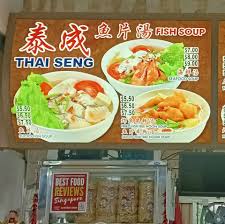
Thai Seng Fish Soup (Michelin Guide)
Thai Seng Fish Soup is a third‑generation, family‑run hawker stall best known for classic Singapore fish soup, recognised with a Bib Gourmand distinction in the Michelin Guide Singapore for good quality and value. The business began as a street stall more than 50 years ago, started by the family matriarch at Track 60 off Old Jurong Road, and evolved over decades into permanent outlets that carry on the tradition of simmering fresh fish with aromatics for a clear yet savoury broth. The current generation continues to make the soup from scratch, often serving it with sliced fish, fried fish, fish head, and optional rice or noodles. 🍲 What Makes It Special The broth is clear and savoury, developed from fish bones and ingredients without heavy seasoning, offering a comforting balance that locals love. It’s often paired with bok choy, tofu, and chilli condiments for an added flavour kick.
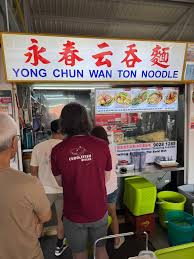
Yong Chun Wan Ton Noodle (Michelin Guide)
Yong Chun Wan Ton Noodle is a celebrated hawker stall specializing in traditional Cantonese-style wanton mee. Founded around 2013 by a husband-and-wife team, the recipes are rooted in family tradition, emphasizing fresh ingredients and authentic preparation. The stall is known for its springy egg noodles tossed in a savoury-sweet sauce, paired with plump wantons and dumplings in a clear, flavorful broth. Its char siew is wok-cooked rather than roasted, giving tender, less greasy pork that complements the noodles perfectly. Yong Chun has earned recognition in the Michelin Guide Singapore’s Bib Gourmand list, highlighting both its consistent quality and value. Opening early in the morning, often around 5:30 a.m., it has become a staple for locals and food enthusiasts alike. Long queues are common, reflecting its reputation for freshness, traditional technique, and dedication to preserving authentic Singaporean wanton mee flavors.

Want to list your store that is related for tourist?
Contact us at MrKnowSg@gmail.com now! https://www.tiktok.com/@mrknowsg
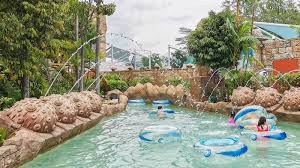
Adventure cove Sentosa
Adventure Cove Waterpark is a premier water attraction at Resorts World Sentosa, Singapore, renowned for blending thrilling water rides with immersive marine life experiences. Set in a tropical resort environment, it appeals to families, tourists, and adventure lovers alike by offering both excitement and learning in one destination. Officially opened on 22 November 2012, Adventure Cove was developed as part of the Marine Life Park alongside the S.E.A. Aquarium (now Singapore Oceanarium). Initially planned as Equarius Water Park, it debuted as one of Southeast Asia’s most advanced waterparks, introducing the region’s first hydro-magnetic water coaster, Riptide Rocket. Key attractions include the Adventure River lazy river, Bluwater Bay wave pool, Rainbow Reef snorkelling lagoon, high-speed and competitive slides, and optional marine encounters such as ray or dolphin experiences. Children below four usually enjoy free entry, while special encounters require separate fees.
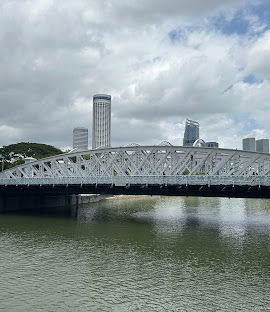
Anderson Bridge (History)
Anderson Bridge is a historic steel arch bridge spanning the Singapore River, linking Empress Place to Collyer Quay. Built between 1908 and 1910, it was constructed to meet growing traffic needs as Singapore expanded as a major port and commercial centre. Named after Sir John Anderson, Governor of the Straits Settlements, the bridge features elegant steel arches, granite piers, and neoclassical stone columns, reflecting British colonial engineering and design. During World War II in 1942, parts of the bridge were damaged during the British retreat but were later repaired. Anderson Bridge served vehicular traffic for many decades before being conserved. In 2010, it was gazetted as a National Monument. Today, it is closed to regular vehicles and used mainly by pedestrians, standing as a prominent heritage landmark overlooking Marina Bay and the Singapore River.
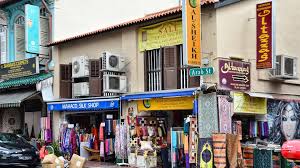
Arab Street (Souvenir Spot)
Arab Street is one of Singapore’s oldest heritage streets, located in the Kampong Glam district. Its history dates back to the early 19th century, after Singapore was established as a British trading port in 1819. Under Sir Stamford Raffles’ town plan, Kampong Glam was set aside for the Malay, Arab, and Muslim communities, shaping Arab Street into an important commercial and social centre. From the 1820s, Arab traders—especially Hadhrami merchants from Yemen—played a major role in the area, trading textiles, spices, perfumes, rattan, and religious items. Its closeness to Sultan Mosque strengthened its importance as both a trading hub and a religious gathering place. By the late 19th century, Arab Street was well known for its textile trade, attracting visitors from Southeast Asia, India, and the Middle East. Despite modernisation, conservation efforts preserved its historic character. Today, Arab Street blends traditional shops with cafés and boutiques, reflecting Singapore’s rich multicultural heritage.
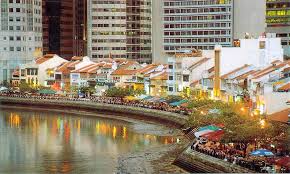
Boat Quay (Riverside Dining & Nightlife)
Boat Quay is a historic riverside district along the southern bank of the Singapore River, close to today’s Central Business District. It was one of Singapore’s earliest commercial areas and played a vital role in the island’s growth as a trading port. After Singapore was founded in 1819, land was reclaimed along the river to form Boat Quay. By the mid-19th century, it had become the busiest section of the old Port of Singapore. Small river boats carried goods such as spices, rice, rubber, and tin between ocean-going ships and nearby warehouses, making the area a centre of maritime trade. From the 1960s, its role declined as modern ports replaced river trade. In the late 1980s, Boat Quay was conserved and redeveloped. Today, it is a vibrant dining and nightlife area that preserves its historic shophouses while reflecting Singapore’s transformation into a modern global city.
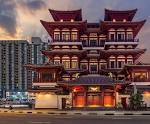
Buddha Tooth Relic Temple
The Buddha Tooth Relic Temple and Museum is a major Buddhist landmark located in Singapore’s Chinatown. It was established to house what is believed to be a sacred tooth relic of the Buddha and serves as both a place of worship and a centre for Buddhist culture and education. The temple was founded by Venerable Shi Fa Zhao following the discovery of the tooth relic in Myanmar in 1980. Built in the Tang Dynasty architectural style, construction began in the early 2000s and the temple officially opened in 2007. The relic is enshrined in a gold stupa on the fourth floor, while the main hall features a large statue of Maitreya Buddha. Today, the temple also functions as a museum displaying Buddhist artefacts from across Asia and remains an important spiritual and cultural landmark in Singapore.
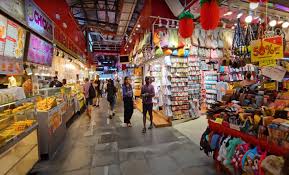
Bugis Street (Shopping Heaven)
Bugis Street is a well-known area in Singapore near Bugis Junction and Kampong Glam, today famous for its lively shopping street offering affordable goods and local food. In the 19th century, Bugis Street developed as a commercial area serving sailors and traders near the Rochor River. From the 1950s to 1970s, it became internationally known for its vibrant nightlife and street culture. In the 1980s, urban redevelopment led to the clearance of the original street to make way for modern infrastructure, including the MRT. Bugis Street was later rebuilt and relocated underground, reopening in 1989 as an organized retail market. Today, Bugis Street remains a popular attraction, reflecting Singapore’s social history and urban transformation.
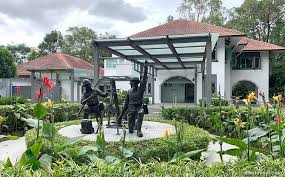
Bukit Chandu (War History)
Bukit Chandu, meaning “Opium Hill” in Malay, is a historic hill in Pasir Panjang, Singapore, known for one of the last battles during the 1942 Battle of Singapore. On 14 February 1942, it was the site of fierce fighting between Japanese forces and the 1st and 2nd Battalions of the Malay Regiment. Despite being outnumbered and low on ammunition, the regiment fought valiantly, with Second Lieutenant Adnan bin Saidi becoming a national symbol of courage. Its fall preceded Singapore’s surrender the next day. Today, Bukit Chandu houses a heritage museum commemorating the Malay Regiment’s bravery and preserving Singapore’s wartime history for reflection and remembrance.
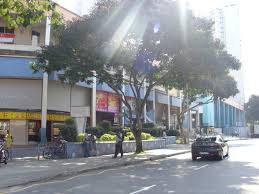
Buffalo Road Little India Singapore
Buffalo Road is a historic street located in the heart of Little India, near Little India MRT Station. Its name dates back to the mid-19th century, when the area was home to cattle sheds and buffalo stables run mainly by Indian settlers who supplied fresh milk to Singapore’s growing population. During the British colonial period, Little India was designated for livestock trading and agricultural activities, which shaped the early character of Buffalo Road. As the cattle industry declined, the area gradually developed into a residential and commercial enclave. Traditional two-storey shophouses were built, and Indian traders established provision shops, textile stores and jewellery businesses. The growth of Tekka Centre further strengthened Buffalo Road’s role as a lively marketplace and food hub. Today, it remains an important cultural street, especially vibrant during Deepavali celebrations.
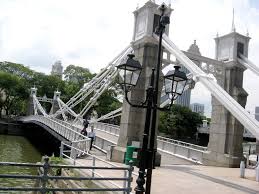
Cavenagh Bridge (History)
Cavenagh Bridge is one of Singapore’s oldest surviving bridges, spanning the Singapore River near Fullerton Square. It is a well-known landmark and the last suspension bridge in the country. The bridge was completed in 1869 and named after Colonel Sir Orfeur Cavenagh, the Governor of the Straits Settlements at the time. It was built to improve access between the commercial district and the civic area as Singapore grew as a major trading port. Constructed in Glasgow, Scotland, the bridge was shipped to Singapore in parts and assembled on site. Its design reflects 19th-century engineering, and original cast-iron plaques marking its load limits can still be seen today. Cavenagh Bridge was closed to vehicular traffic in the mid-20th century and is now a pedestrian bridge. Preserved as a national monument, it remains an important symbol of Singapore’s colonial history and early urban development.
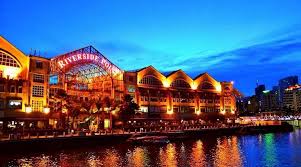
Clark Quay (Riverside Dining & Nightlife)
Clarke Quay is a historic riverside area located along the Singapore River, near the city centre. Today, it is a popular dining, entertainment, and nightlife district, but it was once a key centre of Singapore’s river trade. In the 19th century, Clarke Quay developed as part of the commercial hub along the Singapore River. Warehouses and godowns lined the riverbanks, handling goods such as spices, rice, rubber, and tin transported by river boats from anchored ships. As Singapore modernised, river trade declined. By the 1980s, cargo activities were relocated to modern port facilities, ending Clarke Quay’s role as a working quay. In the 1990s, Clarke Quay underwent major conservation and redevelopment. The historic warehouses were restored and adapted for new uses. Today, Clarke Quay reflects Singapore’s transformation from a trading port to a modern global city, while preserving its riverside heritage.
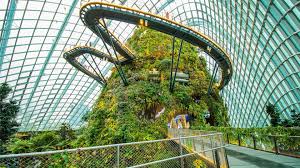
Cloud Forest ( Garden By The Bay )
Cloud Forest is a climate-controlled conservatory located at Gardens by the Bay, Singapore. It showcases plant life from cool, moist highland regions and is best known for its iconic indoor waterfall and lush mountain landscape. Cloud Forest officially opened in 2012 as part of Gardens by the Bay, a national project developed to transform Singapore into a “City in a Garden.” The conservatory was designed to educate visitors about mountain ecosystems, biodiversity, and the impact of climate change on fragile environments. At its centre is the Cloud Mountain, rising over 30 metres high and covered with orchids, ferns, and tropical plants typically found at elevations between 1,000 and 3,000 metres. The cooled conservatory recreates misty conditions similar to tropical montane forests. Today, Cloud Forest is both a major tourist attraction and an educational space, combining nature, sustainability, and architectural innovation while highlighting Singapore’s commitment to environmental awareness.
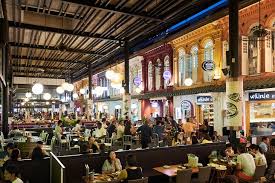
Cuppage Terrace — Orchard Road’s Heritage Dining Enclave
Cuppage Terrace is located within Singapore’s well-known Orchard Road precinct and traces its origins to the early 20th century. Named after Colonel Cuppage, a British colonial officer, the area was once lined with traditional shophouses that served both residential and commercial purposes. As Orchard Road developed into Singapore’s premier shopping and commercial belt in the mid-20th century, many of these buildings were converted into offices, retail outlets, and eateries. During the 1970s and 1980s, Cuppage Terrace evolved into a lively dining enclave. Its low-rise shophouses with sheltered walkways became home to restaurants, cafés, and bars, offering a cozy, alfresco alternative to nearby shopping malls. Known for its diverse mix of Japanese izakayas, European bistros, wine bars, and casual eateries, the terrace retains a heritage charm. Today, it remains a popular dining and nightlife hub, blending historic architecture with modern culinary experiences.
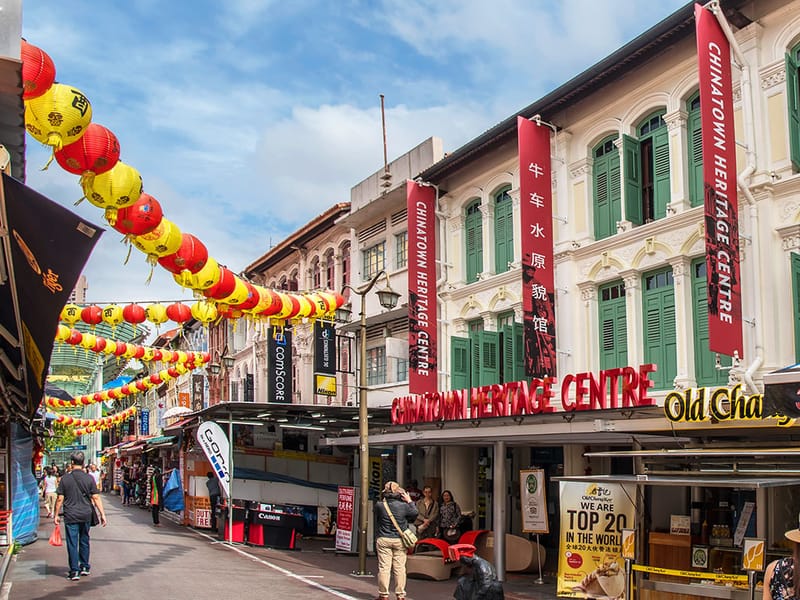
Chinatown Heritage Center
The Chinatown Heritage Centre is a museum located in Singapore’s Chinatown that showcases the history and lives of early Chinese immigrants. It focuses on migrants who arrived in Singapore during the 19th and early 20th centuries, many of whom left southern China to escape poverty, war, and natural disasters. After Singapore became a trading port in 1819, large numbers of Chinese workers came to work as labourers, traders, craftsmen, and dock workers, settling mainly in Chinatown. The museum recreates the cramped living conditions of early immigrants, showing how many people shared small cubicles in crowded shophouses with limited facilities. Despite these hardships, strong communities developed through clan associations, temples, markets, and cultural activities. As Singapore modernized, many residents moved to public housing and Chinatown was conserved. Today, the centre preserves these stories and helps visitors understand the struggles, resilience, and contributions of Chinese immigrants to Singapore’s development.

Curiosity Cove at Mandai Wildlife (Kids Playground)
Curiosity Cove at Mandai Wildlife EAST in Singapore is an indoor nature-themed playground designed mainly for children aged 3 to 12. It operates daily from 10:00 AM to 6:30 PM, with the last entry typically around 5:30 PM. Play sessions are usually organised into timed slots of about two hours each, with a shorter final session in the evening. Ticket prices are generally around S$48 per child, which includes admission for one accompanying adult. There are occasionally weekday promotions that offer slightly lower prices or extended playtime, and discounts may be available for local members or through third-party booking platforms. The attraction combines physical play areas with interactive digital features, making it both fun and educational. Overall, Curiosity Cove is a convenient indoor option for families looking for a structured and engaging activity, especially on hot or rainy days in Singapore.
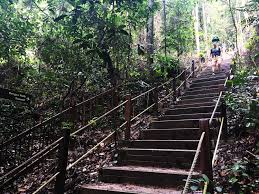
Devil Stair Case @ Bukit Timah (Nature Walk)
The Devil’s Staircase is a steep stone stairway located within the Bukit Timah Nature Reserve, Singapore’s oldest protected rainforest. It forms part of the original summit route leading up Bukit Timah Hill, the highest natural point in Singapore. The staircase was built in the early 20th century, during the colonial period, to provide access to the summit for visitors, researchers, and officials. Its name, “Devil’s Staircase,” comes from its steep gradient and narrow steps, which made the climb physically demanding, especially in Singapore’s humid conditions. During the Battle of Singapore in 1942, Bukit Timah Hill was of strategic importance, and the surrounding area saw military movement and fighting, adding historical significance to the route. To protect the fragile rainforest ecosystem, the Devil’s Staircase has since been closed to the public. Today, it remains a historical feature within the reserve, symbolising early access routes to Bukit Timah Hill and Singapore’s evolving approach to nature conservation.
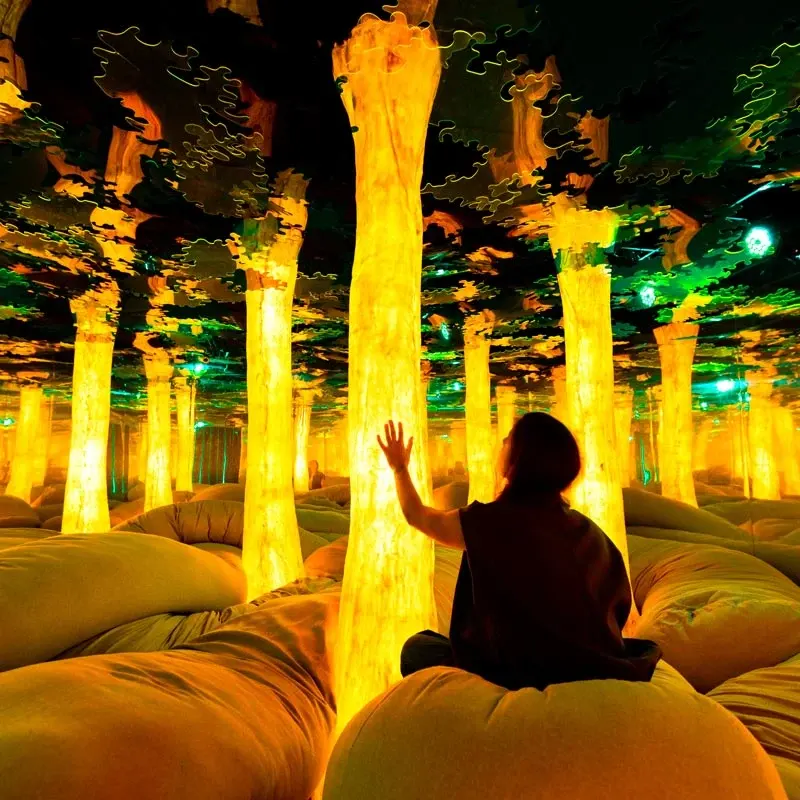
Dopamine Land at Sentosa
Dopamine Land is an immersive, multi-sensory experiential attraction located at Sentosa. It focuses on playful, visually stimulating installations designed to trigger positive emotions through colour, light, texture, and interactive rooms (e.g., ball pits, mirrored spaces, soft-play environments, and themed zones). It’s positioned as a social, photo-friendly experience suitable for friends, couples, and families with older children and teens. The experience is fully indoor and time-slotted, making it weather-independent and popular for short leisure visits and content creation.

Disney Cruise Line
Disney Adventure is Disney Cruise Line’s newest and largest ship, scheduled to homeport in Singapore (Marina Bay Cruise Centre) starting from 2025. It marks Disney Cruise Line’s first long-term deployment in Southeast Asia. The ship is designed as a floating Disney theme park, combining themed entertainment, family activities, Broadway-style shows, character meet-and-greets, kids’ clubs, themed dining, water attractions, and adult-only spaces.
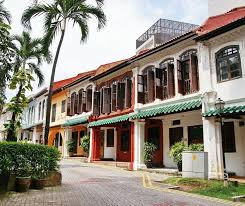
Emerald Hill — Heritage Gem of Orchard Road
Emerald Hill, just off Orchard Road, is a charming conservation area known for its Peranakan-style terrace houses and rich cultural history. Originally a nutmeg plantation in the early 19th century, the land was subdivided in the 1910s–1930s for wealthy Straits Chinese families, who built ornate, pastel-colored terraces with shuttered windows, fretwork, and intricate tiles. By the mid-20th century, many original residents moved out, and houses were adapted for commercial use. In the 1980s–1990s, the government designated Emerald Hill a conservation area, restoring its architecture while allowing cafés, bars, and boutiques to move in. Today, Emerald Hill is a vibrant yet historic enclave, offering photogenic streets, Peranakan heritage, and a peek into Singapore’s colonial-era residential past — all within walking distance of Orchard Road.

Exploria at Mandai
Exploria at Mandai is a new family-friendly attraction within Singapore’s Mandai Wildlife Reserve, the integrated nature destination that includes Singapore Zoo, Bird Paradise, River Wonders, and Night Safari. Unlike traditional animal exhibits, Exploria focuses on immersive, hands-on experiences that combine play with learning about nature, wildlife, and sustainability. The space features themed exploration zones inspired by forests and ecosystems, interactive installations, and sensory activities designed to spark curiosity in children. It is primarily aimed at families with young kids, school groups, and visitors who want an educational indoor experience alongside the outdoor wildlife parks. Exploria complements the Mandai parks by offering a non-animal, edutainment-focused environment where children can learn about biodiversity and conservation through physical play and discovery. Entry and access may be separate from the main parks, and it fits well into a half-day Mandai visit.

Flower Dome @ Garden by the Bay
The Flower Dome is a large climate-controlled conservatory located at Gardens by the Bay, Singapore. It showcases plants from cool, dry regions such as the Mediterranean, South Africa, Australia, and parts of South America, and is recognised as one of the largest glass greenhouses in the world. The Flower Dome opened in 2012 as part of the Gardens by the Bay project, which was developed to support Singapore’s vision of becoming a “City in a Garden.” The conservatory was designed to display exotic plant species that cannot grow naturally in Singapore’s tropical climate. Through seasonal floral displays and themed gardens, the Flower Dome combines horticulture, architecture, and sustainability. Today, it stands as a major tourist attraction and an educational space, highlighting global plant diversity and Singapore’s commitment to environmental innovation.
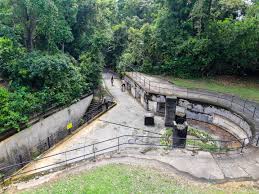
Fort Imbiah (History)
Fort Imbiah is a historic coastal fort located on Sentosa Island, Singapore. Built by the British in the late 19th century, it formed part of a network of defences designed to protect Singapore’s harbour and southern coastline. Constructed between 1888 and 1901, Fort Imbiah was equipped with large coastal guns, underground ammunition stores, and observation posts. It was intended to defend against naval attacks approaching from the sea and played a role in Singapore’s coastal defence system during the colonial period. During the Second World War, the fort was part of the defensive network during the Battle of Singapore in 1942. However, like many coastal forts, its guns were less effective against attacks coming from the land. After the war, Fort Imbiah was decommissioned and later preserved. Today, it forms part of Sentosa’s heritage attractions, offering visitors insight into Singapore’s military history and the island’s role in colonial defence.
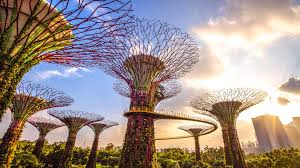
Garden By The Bay Singapore (Scenic Spot)
Gardens by the Bay is a world-class horticultural attraction located in the Marina Bay area of Singapore. It spans 101 hectares of reclaimed land and is part of Singapore’s plan to become a “City in a Garden”. The Gardens feature a blend of futuristic architecture, sustainable design, and diverse plant life, making it a showcase for horticulture, environmental education, and tourism. Gardens by the Bay was conceptualized as part of Singapore’s Marina Bay development plan to create a sustainable green space in the heart of the city. The project was announced in 2005 by the Singapore Government as part of the “City in a Garden” vision. Designed by Grant Associates (UK) and local landscape architects, the Gardens incorporate cutting-edge sustainable technologies, including energy-efficient cooling, rainwater harvesting, and solar power.
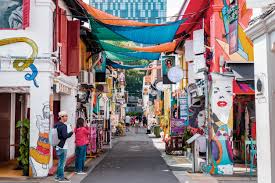
Haji Lane ( Places Of Interest )
Haji Lane is a narrow street in Singapore’s Kampong Glam district, today known for its boutique shops, cafés, street art, and vibrant nightlife. Despite its modern image, the lane has deep historical roots dating back to the 19th century. Under the 1822 town plan, Kampong Glam was designated for the Malay and Muslim community, and Haji Lane developed as part of this area. It was named after Muslim pilgrims, or hajis, who stayed there before and after travelling to Mecca. Lined with traditional shophouses and lodgings, the street supported pilgrimage and nearby trade. As its original role declined, conservation efforts later preserved its buildings and enabled revitalisation. Today, Haji Lane blends heritage and contemporary culture, reflecting Kampong Glam’s transformation while retaining its historical identity.
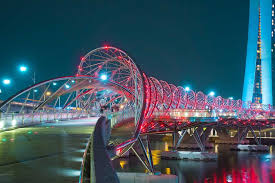
Helix Bridge (Places Of Interest)
Helix Bridge is a pedestrian bridge spanning the Singapore River at Marina Bay. Opened in 2010, it is famous for its double-helix DNA-inspired structure, symbolising life, continuity, and growth. The bridge connects Marina Centre to Marina South, linking major attractions around the bay. Helix Bridge was designed to combine engineering innovation with aesthetic appeal, using stainless steel and glass to create a striking architectural landmark. It also features viewing platforms and nighttime LED lighting, making it a popular spot for photography and sightseeing. Today, Helix Bridge serves both as a functional pedestrian route and a tourist attraction, reflecting Singapore’s modern urban planning and architectural creativity.
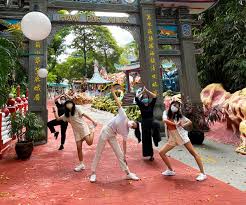
Haw Par Villa (Traditional Chinese values, morality, and culture)
Haw Par Villa is a distinctive cultural theme park in Pasir Panjang, Singapore, known for its colourful statues and dioramas illustrating Chinese mythology, folklore, and moral teachings, including the well-known Ten Courts of Hell. The park was built in 1937 by brothers Aw Boon Haw and Aw Boon Par, founders of Tiger Balm, as a family park to educate visitors about traditional Chinese values through visual storytelling. It became a popular attraction in the mid-20th century before interest declined in later years. Restoration and conservation efforts in the late 20th century helped preserve its cultural significance. Today, Haw Par Villa stands as an educational heritage site, offering an immersive glimpse into Chinese beliefs, history, and art.
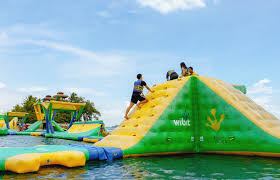
Hydrodash Sentosa
HydroDash is Singapore’s first floating inflatable water park, located at Palawan Beach on Sentosa Island. Set on the sea, it features a large obstacle course made up of interconnected inflatables, including slides, climbing walls, balance challenges, jumps, and agility elements designed for both children and adults. Participants wear provided buoyancy aids at all times, ensuring safety while enjoying active water play in a tropical beach setting. HydroDash first opened in 2020, quickly becoming popular for family outings and group activities. In mid-2024, it closed temporarily due to an oil spill affecting water conditions near Palawan Beach. The park reopened in February 2025 after restoration, returning with upgrades such as a larger course, over 30 obstacles, and new highlights including a four-metre-tall inflatable tower, enhancing the adventure for visitors of all ages.
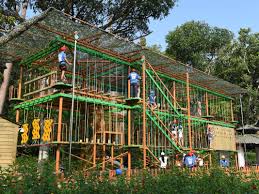
HOUBII Spot Singapore (Outdoor Adventure)
HOUBII Spot Singapore has expanded its outdoor adventure offerings with a newly enlarged high-elements rope course, designed for thrill-seekers and team-based challenges. The upgraded course features more obstacles at varying difficulty levels, elevated platforms, balance elements, climbing challenges, and zipline-style traverses. It’s positioned as a physically engaging, confidence-building activity suitable for youths, adults, school groups, corporate team-building, and active families with older children. The course emphasizes safety systems (harnesses, continuous belay), supervised facilitation, and modular challenges that allow participants to progress from beginner-friendly elements to more demanding obstacles. As an outdoor attraction, it’s weather-dependent and typically run in structured sessions with safety briefings.
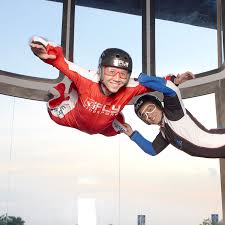
Ifly Sentosa Singapore
AltitudeX, formerly known as iFly Singapore, is a leading indoor skydiving attraction located along Siloso Beach Walk on Sentosa Island. It features one of the world’s largest vertical wind tunnels, allowing visitors to experience the thrill of freefall in a safe and controlled setting. Powerful air currents lift flyers to simulate real skydiving, with professional training and certified instructors guiding each session, making it suitable for beginners and experienced flyers alike. The facility opened in 2011 and quickly gained recognition for its safety and quality standards, earning international accolades and Guinness World Records linked to its wind tunnel. Rebranded as AltitudeX in 2025, it continues to offer an exciting flying experience for families, tourists, and adventure seekers.
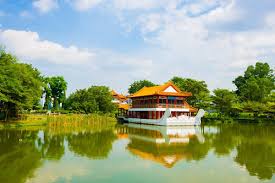
Japanese Garden Singapore (Scenic Spot)
The Japanese Garden, located within Jurong Lake Gardens in western Singapore, is a tranquil park designed in the traditional Japanese landscape style, featuring pagodas, stone lanterns, koi ponds, and wooden bridges. It was opened in 1974 as part of Singapore’s efforts to create themed gardens that combine nature, culture, and recreation. The garden was designed to evoke Japanese aesthetics and harmony with nature, offering a peaceful retreat from urban life. Over the years, the Japanese Garden has been maintained and renovated to preserve its serene landscaping, while integrating with the larger Jurong Lake Gardens redevelopment project. Today, it serves as a popular spot for leisure, photography, and cultural appreciation, highlighting Singapore’s commitment to green spaces and international garden heritage.
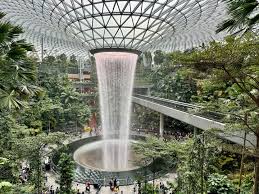
Jewel Fountain in Changi Airport
Jewel Changi Airport is an iconic mixed-use complex located at Singapore Changi Airport, combining retail, dining, leisure, and nature attractions under one glass-domed structure. It is famous for the Rain Vortex, the world’s tallest indoor waterfall, surrounded by a lush Shiseido Forest Valley. Jewel officially opened on 17 April 2019 as part of Changi Airport’s expansion to enhance the airport experience for travelers and visitors. Designed by architect Moshe Safdie, the complex integrates green spaces, shopping, entertainment, and hospitality, making it a global example of airport innovation and tourism. Today, Jewel serves as both a tourist attraction and airport amenity, drawing millions of visitors each year and reinforcing Singapore’s reputation as a hub for travel, lifestyle, and architectural excellence.
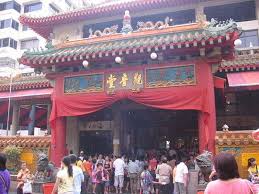
Kwan Im Temple (Guan Yin Temple) Historic Buddhist temple
Kwan Im Temple, or Guan Yin Temple, is a historic Buddhist temple in Singapore’s Bugis district, dedicated to Guan Yin, the Goddess of Mercy. Established in 1884, it provided a spiritual home for Chinese immigrants and has since undergone renovations to accommodate growing devotees while preserving traditional architecture. The temple is renowned for its ornate decorations, ceremonial rituals, and cultural festivals, especially during Guan Yin’s birthday, which attracts large crowds. Today, Kwan Im Temple remains a vibrant religious and cultural landmark, reflecting Singapore’s Chinese-Buddhist heritage and serving as a place of worship, community gatherings, and cultural preservation amid the modern cityscape.
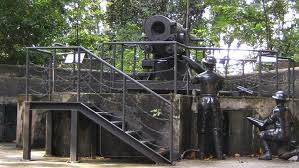
Labrador War Relics (War History)
Labrador Nature Reserve, on Singapore’s southern coast, is a scenic area with significant historical importance from colonial and World War II periods. The rocky headland was identified in the 19th century to defend Singapore’s western approaches and Keppel Harbour. Fort Pasir Panjang and the Labrador Battery featured coastal artillery, including 6‑inch guns, used during WWII, though largely bypassed during the Japanese invasion. Today, visitors can explore machine gun pillboxes, gun emplacements, old fort walls, and underground casemates, with heritage markers explaining their history. The reserve preserves these relics while offering a peaceful natural escape, blending conservation with remembrance of Singapore’s wartime past.
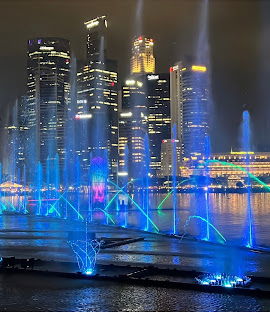
Light and Water Show Spectra in Sentosa
Spectra is a free nightly light and water show held at the Event Plaza along Marina Bay, Singapore. Launched in 2017, the 15-minute multimedia spectacle combines fountain jets, laser lights, colourful projections, water effects, and music to create an immersive experience. The show tells the story of Singapore’s history, multicultural identity, and progress, offering both entertainment and artistic reflection. Its dramatic visuals against the city skyline make it a popular spot for locals, tourists, and photographers. Today, Spectra remains an iconic Marina Bay attraction, blending art, technology, and scenic beauty into a memorable evening spectacle.
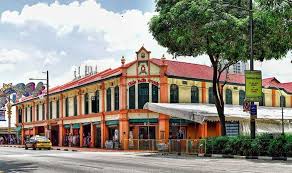
Little India Arcade (Heritage Shopping)
Little India Arcade is a heritage shopping enclave along Serangoon Road in Singapore’s Little India. Known for its colourful façade and traditional shophouses, it houses shops selling Indian textiles, jewellery, handicrafts, spices, souvenirs, and cultural items, making it a popular spot for locals and tourists seeking an authentic Indian cultural experience. The buildings date back to the early 20th century, serving as trading and residential spaces for the Indian community. Serangoon Road was a key commercial route, helping Little India grow into a vibrant hub. In the 1980s, conservation efforts restored the shophouses, preserving features like narrow frontages, internal courtyards, and ornate details. Today, Little India Arcade reflects Singapore’s multicultural heritage and the lasting contributions of the Indian community.
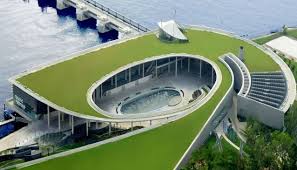
Marina Bay Barrage – Where Families Play & Explore
Marina Bay Barrage is a dam and freshwater reservoir at the mouth of Singapore’s Marina Channel, officially opened in 2008. It serves multiple purposes, including flood control, water supply, and recreation. The barrage regulates water levels to prevent flooding in low-lying areas and creates a freshwater reservoir by blocking seawater, forming part of Singapore’s urban water management system. Its wide rooftop functions as a public promenade, popular for cycling, jogging, picnics, and kite flying, offering panoramic views of the city skyline. Marina Bay Barrage also hosts community events and festivals, showcasing sustainable infrastructure that combines engineering, urban design, and public recreation.

Madame Tussauds (Wax Museum)
Madame Tussauds Singapore is a renowned wax museum located at Imbiah Lookout on Sentosa Island. The museum features lifelike wax figures of international celebrities, world leaders, sports stars, and prominent Asian icons, allowing visitors to pose for photos and engage with interactive exhibits. It has become a popular destination for families, tourists, and students seeking a mix of entertainment and education. Part of the global Madame Tussauds brand, the museum traces its origins to London in 1835, founded by French sculptor Marie Tussaud, famed for her detailed wax portraits of historical figures. Madame Tussauds Singapore opened in 2014 as the brand’s first permanent museum in Southeast Asia, blending global fame with regional heritage by highlighting both international stars and Asian personalities.
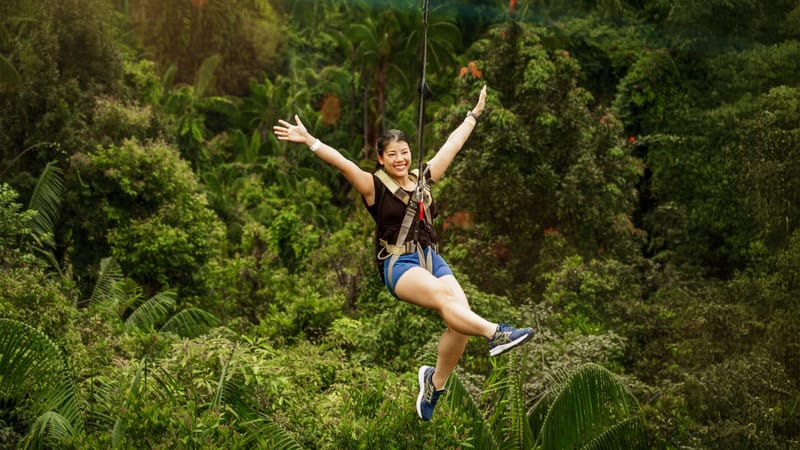
Mega Adventure Park Main Zip Line Sentosa
Mega Adventure Park Sentosa is an outdoor adventure attraction on Siloso Beach, Sentosa Island, offering thrilling activities amid coastal and rainforest scenery. Established in the early 2000s, it was inspired by adventure parks in New Zealand and Australia, bringing high-adrenaline outdoor experiences to Singapore. Signature attractions include the MegaZip, one of the longest and steepest zip lines in the city. The park prioritises safety with international-standard equipment and eco-friendly operations. Popular with families, youths, and thrill-seekers, it combines excitement, nature, and panoramic sea views, making it a key adventure destination while supporting Sentosa’s vision of sustainable tourism.
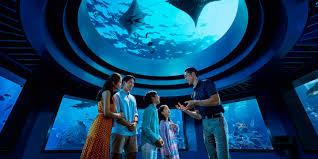
Oceanium In Sentosa
Oceanium, formerly the S.E.A. Aquarium, is a world-class marine attraction at Resorts World Sentosa, Singapore. Opened in 2012 and rebranded in 2025 after expansion, it is three times larger with upgraded exhibits. The aquarium features 22 themed zones representing marine habitats from coastal waters to the deep sea and prehistoric oceans, combining live marine life, interactive technology, and educational storytelling. Oceanium promotes ocean awareness, conservation, and sustainability, with a Research and Learning Centre supporting marine research, education programs, and community outreach. It attracts families, students, and researchers, offering immersive experiences that inspire appreciation and action for marine ecosystems.
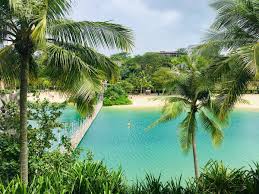
Palawan Beach Sentosa
Palawan Beach is a family-friendly beach on Sentosa Island, Singapore, known for its soft sand, shallow waters, and scenic views. It is connected to a small islet by a suspension bridge, often called the “Southernmost Point of Continental Asia.” Developed as part of Sentosa’s transformation into a leisure destination, the beach offers swimming, sunbathing, and recreational facilities. Over the years, it has hosted family attractions, play areas, and eco-friendly initiatives to enhance visitor experiences while preserving its natural charm. Today, Palawan Beach remains a popular spot for tourists and locals, making it a key part of Sentosa’s attractions.
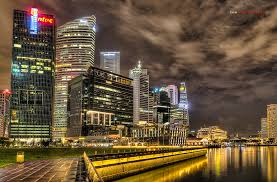
Promontory Marina Bay (Photo Points)
The Promontory @ Marina Bay is a spacious open-air waterfront area in Singapore, offering panoramic views of the city skyline and Marina Bay. Built on reclaimed land and opened around 2010, it was developed to transform Marina Bay into a vibrant downtown precinct with public spaces for recreation and events. The Promontory hosts concerts, festivals, art installations, cultural performances, sporting events, and community activities, and serves as a backdrop for major celebrations like New Year’s Eve fireworks and National Day events. Open to all, it is popular for picnics, sightseeing, jogging, photography, and relaxation, blending scenic waterfront views with urban architecture for locals and tourists.
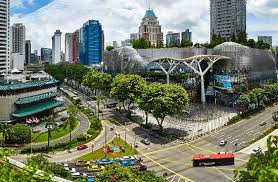
Orchard Road
Orchard Road is Singapore’s most iconic retail and entertainment belt, stretching about 2.2 kilometres through the city centre. In the 1830s to 1860s, it began as a rural track lined with gambier, pepper, and nutmeg plantations, earning its name from the fruit orchards that once covered the area. When crop diseases led to agricultural decline, the land was gradually redeveloped for residential use. By the late 19th and early 20th centuries, markets, shops, and community facilities appeared, marking its shift toward commercial activity. The opening of Cold Storage in 1905 signaled the start of its retail prominence. From the 1950s to the 1980s, rapid urban development introduced department stores, hotels, and major malls such as Lucky Plaza, firmly establishing Orchard Road as Singapore’s premier shopping destination. Today, it combines heritage landmarks with modern lifestyle spaces, reflecting the nation’s transformation into a global city.
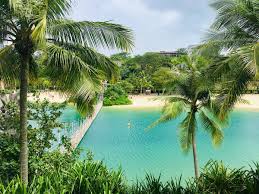
Palawan Beach Sentosa Singapore
Palawan Beach is a family-friendly beach on Sentosa Island, Singapore, known for its calm waters, palm-lined shores, and relaxed atmosphere. A highlight is the suspension bridge to a small islet, often called the “Southernmost Point of Continental Asia.” Developed as part of Sentosa’s transformation from a former military base into a leisure island, the beach was created during the 1970s land reclamation and redevelopment of the southern coastline. Named after Palawan Island in the Philippines, it features landscaped areas, recreational facilities, and family-friendly amenities. Today, Palawan Beach combines natural beauty, leisure spaces, and iconic landmarks, attracting both locals and tourists.
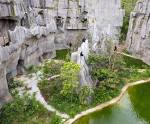
Rainforest Wild Asia Singapore
Rainforest Wild Asia is an immersive wildlife attraction in Singapore’s Mandai Wildlife Reserve, combining a rainforest nature walk with adventure-themed experiences. Spanning 13 hectares, it features habitats from forest floors and streams to canopy walkways and cave-like zones, home to Malayan tigers, sun bears, Francois’ langurs, Philippine spotted deer, and other regional species. Opened on 12 March 2025 as Mandai Wildlife Group’s fifth park, it highlights Southeast Asian biodiversity through open-concept habitats and interactive trails. Visitors can explore elevated boardwalks, rugged forest paths, and optional adventure elements, learning about rainforest ecology and conservation while experiencing the region’s wildlife up close.
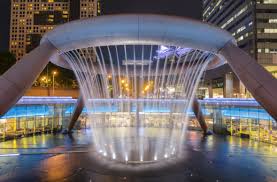
Suntec Fountain (Photo Spot)
he Fountain of Wealth is a prominent landmark at Suntec City, Singapore, built in 1995 and inspired by feng shui to symbolize wealth, prosperity, and harmony. Its design features a large circular bronze ring supported by four columns, representing the Hindu Mandala, with the surrounding five towers symbolizing a left hand holding the ring. Recognised in 1998 by the Guinness Book of World Records as the largest fountain at the time, it offers interactive experiences when the water is turned off, allowing visitors to walk around and touch the water for good luck. Evening water, light, and laser shows make it a popular attraction, blending cultural symbolism with visual spectacle.
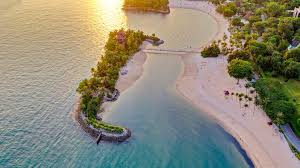
Siloso Beach Sentosa
Siloso Beach is a vibrant and popular beach on Sentosa Island, Singapore, known for its lively atmosphere, beach sports, water activities, and nightlife. Lined with cafés, bars, beach clubs, and resorts, it attracts both locals and tourists seeking recreation and entertainment. The name “Siloso” comes from a Malay word meaning rock or stone. Historically, the area was part of Singapore’s coastal defenses, with nearby Fort Siloso built by the British in the late 19th century and used during World War II. Redeveloped in the 1970s as part of Sentosa’s transformation into a leisure island, Siloso Beach now offers volleyball, cycling paths, water sports, events, and attractions, blending historical heritage with modern entertainment.
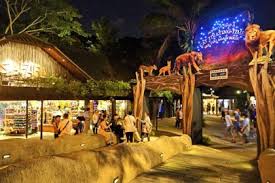
Singapore Night Safari
The Singapore Night Safari, located next to the Singapore Zoo in Mandai, is the world’s first nocturnal wildlife park. Opened in 1994, it allows visitors to observe animals in naturalistic nocturnal habitats through guided tram rides and walking trails. Conceived in the late 1980s, the park pioneered moonlight-style illumination to let animals behave naturally while remaining visible. This innovative approach quickly gained international acclaim and set new standards for wildlife parks. Today, the Night Safari is an iconic attraction, promoting wildlife conservation, education, and eco-tourism, while inspiring similar nocturnal parks worldwide.
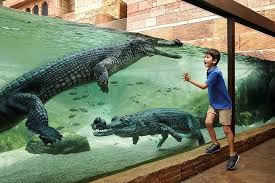
Singapore River Wonders Sentosa
River Wonders, formerly River Safari, is a freshwater-themed wildlife park in Mandai, next to the Singapore Zoo and Night Safari. Opened in 2014 by Mandai Wildlife Group, it is one of the world’s first parks dedicated to river ecosystems, showcasing animals and habitats from iconic rivers such as the Amazon, Yangtze, Mekong, Nile, Mississippi, Ganges, and Congo. Visitors can see species like giant river otters, manatees, and giant pandas Kai Kai and Jia Jia. Combining outdoor and indoor exhibits, the park educates on freshwater biodiversity and conservation. Rebranded in 2021, River Wonders promotes river awareness, endangered species protection, and sustainable ecosystems.
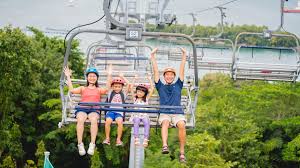
Skyline Luge Sentosa Singapore
Skyline Luge Singapore is a thrilling gravity-powered ride and chairlift attraction on Sentosa Island, combining exciting downhill luge tracks with a scenic Skyride back to the top. Riders control their speed and direction on purpose-built tracks winding through forests and bends, making it suitable for families, friends, and thrill-seekers. The Skyride offers panoramic views of Sentosa and the sea, providing a relaxing contrast to the adrenaline of the luge. Opened on 26 August 2005, the attraction features four tracks—Jungle, Dragon, Kupu Kupu, and Expedition—ranging from 628 m to 688 m, offering varied challenges while showcasing the island’s natural greenery and terrain.
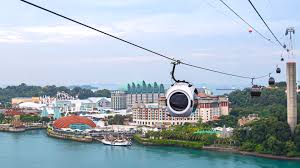
Singapore Cable Car
The Singapore Cable Car is an iconic aerial gondola attraction linking Mount Faber and Sentosa Island, offering panoramic views of the city, harbour, greenery, and beaches from about 100 metres above sea level. Opened on 15 February 1974, it was one of the world’s first cable cars to cross a harbour. Proposed in 1968 to improve access to Mount Faber and Sentosa, construction began in 1972. Originally with 43 cabins, the system expanded over time, and a Sentosa Line was added in 2015 to enhance connectivity. Popular with tourists and locals, it has also hosted special events and featured in international media.
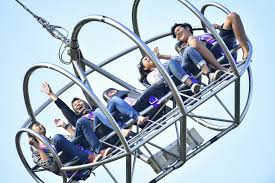
Slingshot Singapore
Slingshot Singapore is one of the city’s most iconic adrenaline-pumping attractions, located at Clarke Quay. The ride catapults thrill-seekers nearly 70 m into the air at speeds of up to 160 km/h, offering an intense, unforgettable experience against the Singapore skyline. Riders sit in a two-seater gondola that’s first tilted and lowered into a “volcano” position before being launched skyward, experiencing 3–5 G forces during the ride. The site originally hosted the G-MAX Reverse Bungy, which opened in 2003 and became a popular thrill attraction until its closure around 2019–2020. During the COVID-19 pandemic, the ride was dismantled and redeveloped. The revamped Slingshot Singapore reopened in 2022–2023 as Asia’s tallest slingshot ride, featuring modern propulsion technology with steel cables and springs for enhanced safety and intensity.
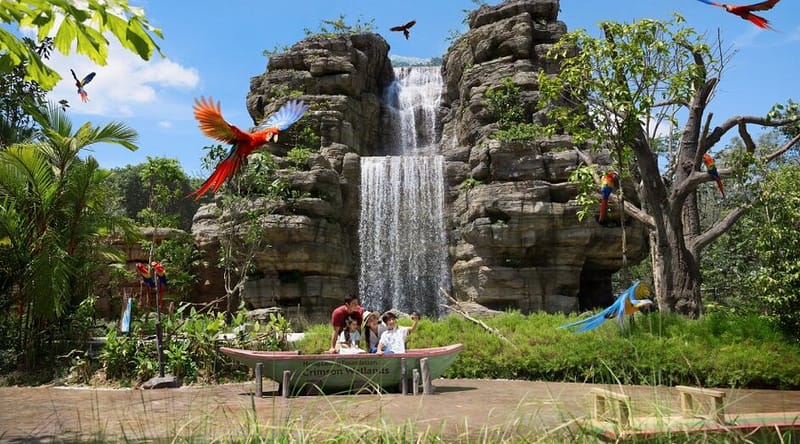
Singapore Bird Paradise
Bird Paradise in Singapore is Asia’s largest avian sanctuary, home to thousands of birds from hundreds of species in immersive, naturalistic habitats. Visitors can explore themed walk-through aviaries, enjoy bird shows, and learn about bird conservation and biodiversity. Part of the Mandai Wildlife Reserve, it continues Singapore’s legacy of wildlife education alongside other major attractions. Originally opened as Jurong Bird Park in 1971, it was a pioneer in avian conservation, known for large aviaries, free-flight shows, and breeding programs. After closing in early 2023, the park reopened in May 2023 as Bird Paradise, offering larger, more engaging spaces for birds and visitors.
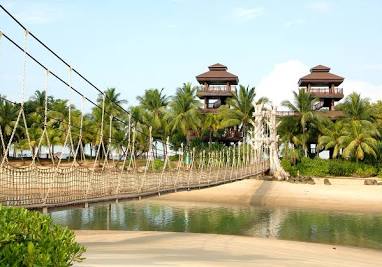
Southern Point of Singapore in Sentosa (Photogenic Spot)
The Southernmost Point on Sentosa is a small sandy islet off Palawan Beach, connected by a short suspension bridge. Promoted as the “Southernmost Point of Continental Asia,” it features viewing platforms and signage for photos and South China Sea vistas, making it a popular scenic spot. Sentosa, formerly Pulau Blakang Mati, was transformed from a British military base into a leisure island in the late 1960s, with beaches, attractions, and resorts. The suspension bridge and lookout allow easy access for visitors, and the spot is often explored alongside Palawan and Siloso Beaches, combining natural beauty, history, and modern tourism in one iconic location.
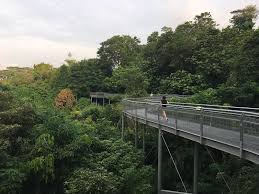
Southern Ridges (Nature Walk)
The Southern Ridges is a scenic, 9–10 km nature trail in southern Singapore that links several major parks and green spaces into one continuous walking route. It connects Mount Faber Park, Telok Blangah Hill Park, HortPark, Kent Ridge Park and the Labrador Nature Reserve, offering a mix of lush forested trails, elevated walkways, peaceful gardens and panoramic views of greenery and the city skyline. This seamless network of paths and bridges—such as the iconic Henderson Waves pedestrian bridge and elevated Forest Walk—makes the Southern Ridges a favourite destination for hikers, nature lovers, bird watchers and anyone seeking a refreshing escape from urban life.
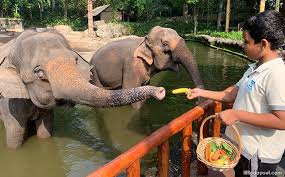
Singapore Zoo
Singapore Zoo, opened on 27 June 1973, is a world-class zoological park in Mandai spanning 28 hectares of lush rainforest. Known for its open-concept exhibits, animals live in environments resembling their natural habitats, including orangutans, elephants, tigers, giraffes, and many more. Built with $9 million in government funding, it pioneered naturalistic enclosures using hidden barriers instead of cages. Part of the Mandai Wildlife Reserve alongside Night Safari, River Wonders, and Bird Paradise, the zoo emphasizes conservation, education, and interactive experiences through animal shows, feeding sessions, and keeper talks. It is a popular destination for families, nature lovers, and tourists.
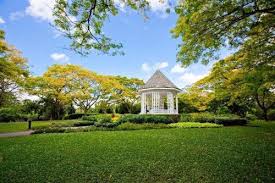
Singapore Botanic Garden
The Singapore Botanic Gardens is a lush, 82-hectare tropical garden located in the heart of Singapore. It is one of the most visited green spaces in the city and is recognized as a UNESCO World Heritage Site, making it the first and only tropical botanic garden to receive this status. The gardens feature a wide variety of plant collections, including orchids, palms, ferns, and rainforest trees, as well as themed areas such as the National Orchid Garden, Swan Lake, and Rainforest Grove. It serves as both a recreational space for the public and a center for plant research, conservation, and education, offering walking trails, guided tours, and cultural events.
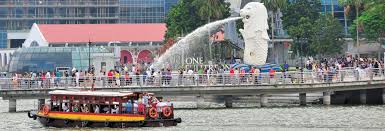
Singapore River Cruise
The Singapore River Cruise is a popular 40-minute sightseeing experience along the Singapore River aboard traditional bumboats. The route passes key districts and landmarks such as Boat Quay, Clarke Quay, and Marina Bay, offering views of both historic areas and the modern skyline. Onboard commentary highlights the river’s role in Singapore’s growth from a trading port to a global city, sharing stories of its heritage, warehouses, jetties, and commerce. Modern tourist cruises began in 1987, using refurbished bumboats once used for cargo, blending history, culture, and scenic leisure for visitors.
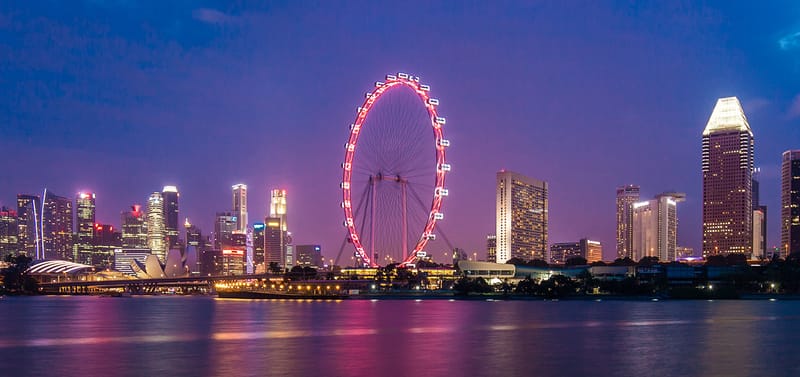
Singapore Flyer (Singapore Eye)
The Singapore Flyer is a giant observation wheel and iconic landmark offering panoramic views of Singapore’s skyline, Marina Bay, Sentosa, and, on clear days, parts of Malaysia and Indonesia. Standing 165 metres tall with 28 air‑conditioned glass capsules, it provides 360° views during a 30-minute rotation. Combining sightseeing with interactive storytelling about Singapore’s history and development, the Flyer was planned in 2002, constructed from 2005, and opened to the public in March 2008. Briefly the world’s tallest observation wheel, it remains a flagship attraction and a key feature of the Marina Bay skyline, operated by a Straco-led joint venture.
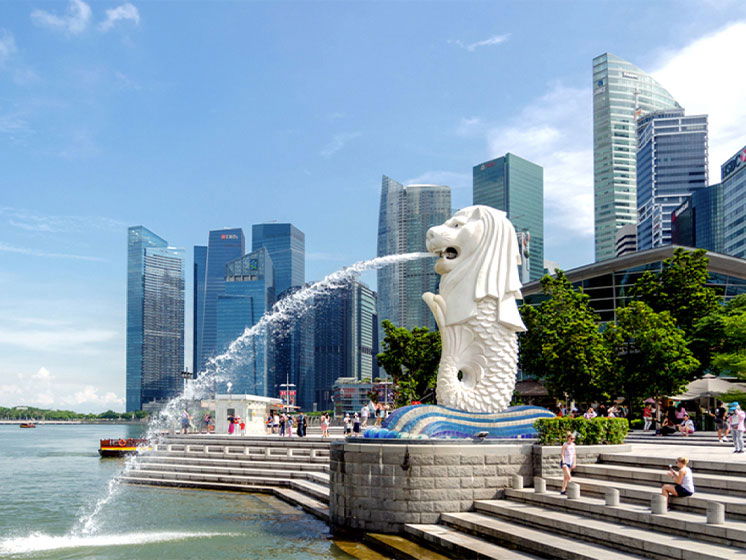
Singapore Merlion
The Merlion is a mythical creature with the head of a lion and the body of a fish, and it is the national personification of Singapore. The lion head represents “Singa”, which means lion in Malay, inspired by the legend of Sang Nila Utama, the Srivijayan prince who is said to have discovered Singapore in the 14th century. The fish body symbolizes Singapore’s origin as a fishing village, historically known as Temasek, meaning “sea town” in Javanese. Today, the Merlion serves as a national icon, representing Singapore’s history, culture, an progress from a humble fishing village to a global city. The Merlion symbol was designed in 1964 by Fraser Brunner, a British designer working for the Singapore Tourism Board (STB), to represent Singapore as a tourism symbol. The first large statue of the Merlion was commissioned in 1972 by the STB and installed at the mouth of the Singapore River, near Fullerton Hotel.
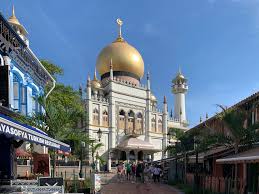
Sultan Mosque
Sultan Mosque, also known as Masjid Sultan, is one of the most important and iconic mosques in Singapore. It is located in the Kampong Glam district, a historic area that was once the seat of Malay royalty and the center of the Malay-Muslim community. The mosque was originally built in 1824 for Sultan Hussein Shah, the first sultan of Singapore under British rule. It was constructed with the help of the British colonial government as part of the allocation of land in Kampong Glam for the Malay-Muslim community.
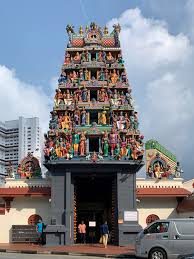
Sri Mariamman oldest Hindu temple Singapore
Sri Mariamman Temple is the oldest Hindu temple in Singapore, located in the historic Chinatown district. The temple is dedicated to Goddess Mariamman, the Hindu goddess of rain and fertility, who is traditionally worshipped for protection against diseases. It is a key religious and cultural centre for Singapore’s Tamil Hindu community and hosts major religious festivals, including the famous Theemithi (Fire Walking) festival. Architecturally, the temple is notable for its Dravidian-style tower (gopuram), ornate sculptures, and colorful façade, making it a popular tourist and cultural landmark.
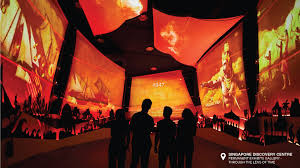
Singapore Discovery Centre
The Singapore Discovery Centre is an interactive museum that tells the story of Singapore’s history, development, and future. It is located near Sungei Gedong Camp and is managed by the Ministry of Defence. The centre first opened in 1996 to help visitors understand Singapore’s journey as a nation. Through interactive exhibits, multimedia displays, and educational activities, it explains the country’s challenges, achievements, and national identity. The centre aims to inspire visitors to appreciate Singapore’s progress and think about its future. In 2020, the Singapore Discovery Centre reopened after major renovations with updated galleries and new learning experiences. These exhibits focus on topics such as Singapore’s independence, national defence, social harmony, and future development. Visitors can also enjoy attractions like interactive games and film screenings. Overall, the centre serves as an engaging place where people can explore how Singapore has grown into a modern and successful nation.
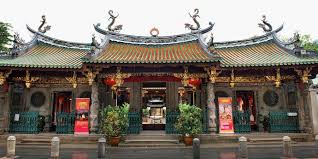
Thian Hock Temple (Oldest Temple)
Thian Hock Keng Temple, along Telok Ayer Street, is one of Singapore’s oldest and most important Chinese temples, dedicated to Mazu, the Goddess of the Sea. Built between 1839 and 1842 using traditional southern Chinese techniques without nails, it features granite, tiles, and carvings imported from China. Originally, Chinese immigrants from Fujian gathered at a small shrine here to thank Mazu for safe sea journeys. The temple also served as a community center for meetings, dispute resolution, and cultural events. Gazetted a National Monument in 1973, it remains an active place of worship and a heritage landmark reflecting Singapore’s early maritime and migrant history.
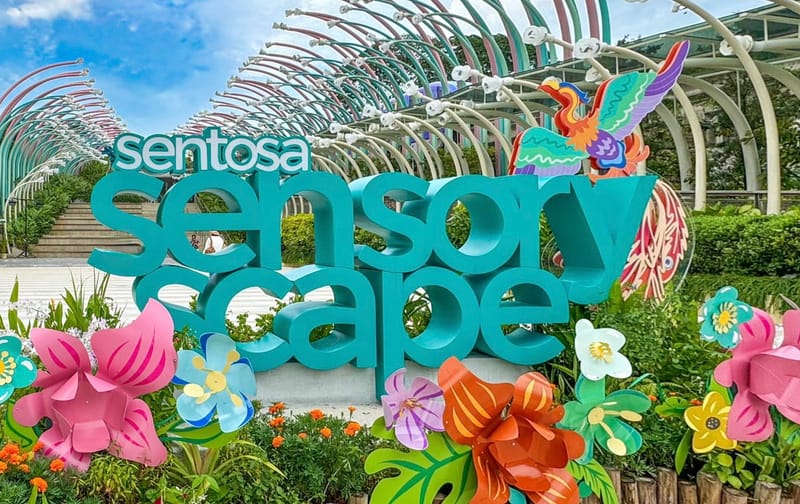
Sentosa Sensoryscape
Sentosa Sensoryscape is a landscaped, multi-sensory pedestrian boulevard on Sentosa Island that links Resorts World Sentosa to Sentosa’s beach area. It is designed as an immersive transition space, using light, sound, textures, planting, and interactive installations to engage visitors’ senses as they move between Sentosa’s northern gateway and the resort/beach precinct. The project is part of Sentosa Development Corporation’s long-term masterplan to enhance car-lite access and create a cohesive, experience-led arrival sequence for the island.
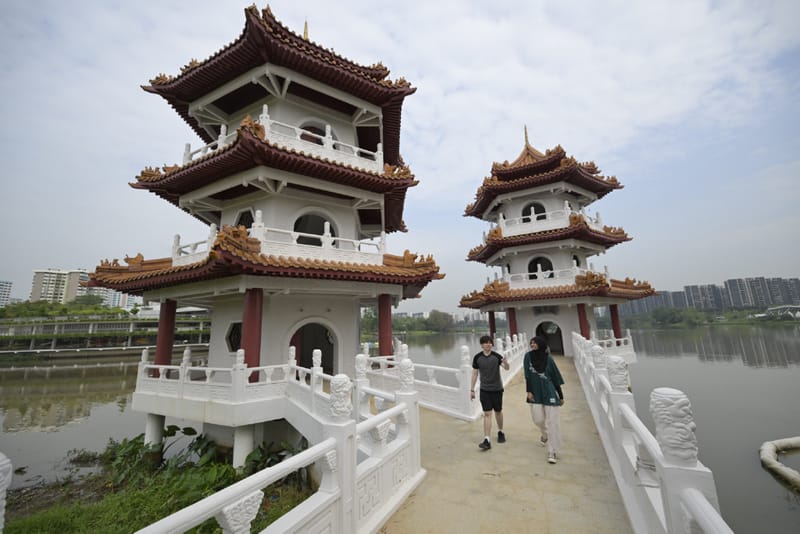
Twin_Pagoda Chinese Garden & Japanese Garden Singapore
The Chinese Garden in Jurong, opened in 1975, is a classical northern Chinese-style garden featuring ponds, stone bridges, pagodas, bonsai displays, and the iconic Twin Pagodas. Designed by Taiwanese architect Yu Yuen-chang, it reflects imperial-era architecture and harmony between nature, design, and philosophy. Next to it, the Japanese Garden, also opened in 1975, showcases minimalist Muromachi-inspired design with rock gardens, koi ponds, stone lanterns, and Zen principles emphasizing balance and tranquility. Together, the gardens offer cultural appreciation, peaceful recreation, and insight into traditional Chinese and Japanese landscape artistry in Singapore.
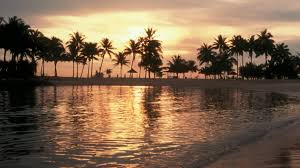
Tanjong Beach Singapore
Known for its soft white sand, clear waters, and relaxed atmosphere, it is popular for sunbathing, picnics, beach parties, and water activities. Unlike the busier Siloso and Palawan Beaches, Tanjong Beach is quieter, making it ideal for families and visitors seeking a peaceful escape. It features beach bars, restaurants, and occasional outdoor events, including music festivals and private beach parties. Tanjong Beach is part of Sentosa Island’s nature and leisure offerings, blending natural beauty with recreational facilities. Sentosa Island, formerly known as Pulau Blakang Mati, has a long history as a British military base and later a tourist destination. Tanjong Beach was traditionally a natural stretch of coastline on the eastern tip of Sentosa, used for recreation and informal gatherings by locals and tourists.
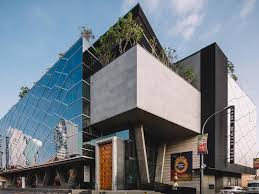
The Indian Heritage Centre
The Indian Heritage Centre is a museum located in Little India that showcases the history, culture, and contributions of the Indian community in Singapore and Southeast Asia. Managed by the National Heritage Board, it aims to preserve and share the heritage of Indians who migrated to the region. The centre officially opened on 7 May 2015. It was established to highlight the experiences of Indian migrants, including traders, laborers, and soldiers who arrived during the British colonial period. The museum presents their role in shaping Singapore’s multicultural society through artifacts, photographs, and interactive exhibits. The building was designed by Greg Shand Architects and its architecture is inspired by traditional Indian stepwells. The permanent galleries are arranged chronologically, covering early Indian–Southeast Asian trade, colonial migration, the formation of Indian communities, and the modern contributions of Indian Singaporeans.
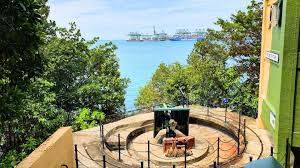
Tanjong Rimau, Sentosa
Tanjong Rimau is a natural coastal headland and rocky shoreline on the western coast of Sentosa Island in Singapore. It’s known for its intertidal habitats, rocky cliffs, and rich marine biodiversity — making it one of the island’s more untouched natural areas compared with the more developed beaches like Siloso or Palawan. The area is popular among nature lovers, hikers, and wildlife enthusiasts for exploring its rocky coastline, marine life at low tide, and scenic views of the sea. It’s part of the coastal trail network on Sentosa and lies close to Siloso Beach and Fort Siloso, yet feels much more wild and natural than the busy resort attractions
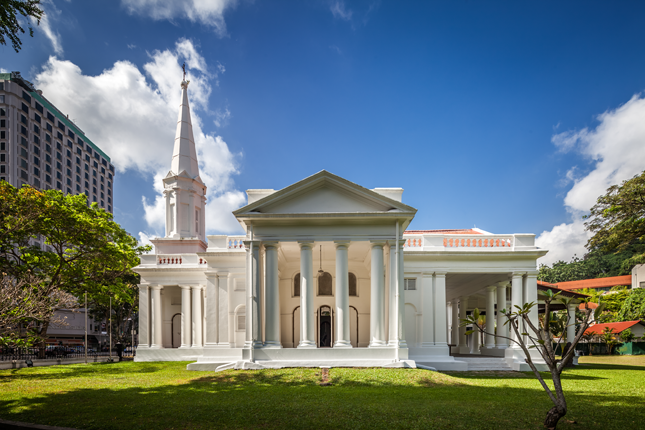
The Armenian Church of St. Gregory the Illuminator
The Armenian Church of St. Gregory the Illuminator is Singapore’s oldest Christian church, completed in 1835 by the Armenian community, one of the island’s earliest migrant groups. It was designed by George Drumgoole Coleman, Singapore’s first architect, in an elegant neoclassical style characterized by whitewashed walls, symmetrical proportions, and distinctive Doric columns. Beyond serving as a place of worship, the church functioned as a social and cultural centre for Armenians, who played an active role in trade, business, and civic life during the colonial era. The adjoining churchyard contains historic tombstones of prominent Armenian figures, reflecting their significant contributions to Singapore’s early commercial growth and cultural development. Today, the Armenian Church is gazetted as a national monument, standing as a lasting symbol of Singapore’s multicultural heritage and honoring the enduring legacy of its early migrant communities within the nation’s diverse history.
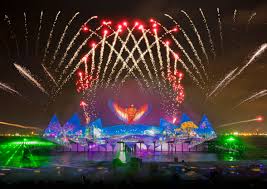
Wings Of Time Sentosa Singapore
Wings of Time is a nightly outdoor show on Siloso Beach, Sentosa, combining water screens, lasers, fire, pyrotechnics, music, and 3D projections to tell the story of Shahbaz, a mystical bird, and his adventures through time. Launched in 2014 to succeed Songs of the Sea, it runs twice nightly for 20–25 minutes, offering a family-friendly, multi-sensory experience. Set against the open sea, the show blends fantasy with spectacular effects, enhanced over the years with upgraded fireworks and multimedia. Wings of Time is a signature Sentosa attraction, celebrated for its visual spectacle, engaging storytelling, and beachfront setting.
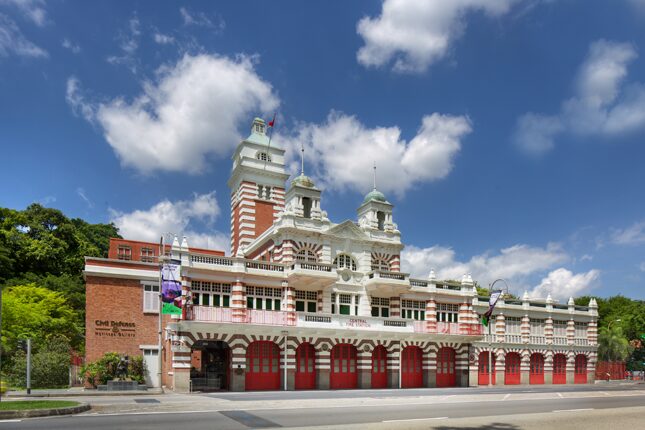
The Civil Defence Heritage Gallery
The Civil Defence Heritage Gallery is a museum that showcases the history and development of firefighting and civil defence in Singapore. It is located at the historic Central Fire Station along Hill Street and is managed by the Singapore Civil Defence Force. The gallery was opened to educate the public about the role of firefighters and emergency responders in protecting the community. It displays historical artifacts, photographs, and vintage firefighting equipment, including old fire engines and uniforms used in the past. The history of civil defence in Singapore dates back to the 19th century, when early firefighting units were formed during the British colonial period. Over time, these services developed into a modern emergency response force. The gallery highlights this evolution, showing how firefighting and rescue operations have advanced with new technology, training, and equipment. Today, it serves as an educational space where visitors can learn about Singapore’s emergency services and their contributions to public safety.
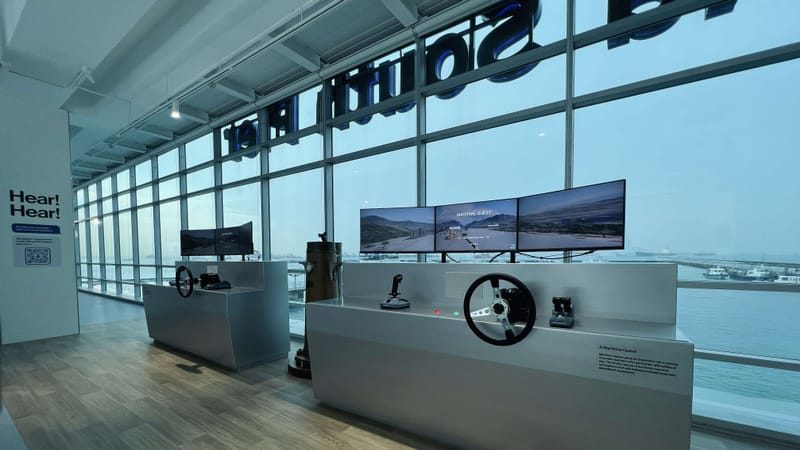
The Singapore Maritime Gallery
The Singapore Maritime Gallery is an interactive museum that showcases the nation’s rich maritime history and its development as a leading global port. Situated within the Maritime and Port Authority of Singapore headquarters, the gallery was officially opened in 2008 to educate visitors about the evolution of shipping and port operations. Through a combination of historical artifacts, detailed scale models, multimedia presentations, and hands-on exhibits, visitors can explore early trade routes, advancements in navigation, and the expansion of Singapore’s port. The gallery also highlights modern innovations in maritime safety, logistics, and technology, emphasizing Singapore’s strategic role in international trade. As both an educational and engaging public space, it offers valuable insights into how maritime commerce has contributed to the country’s economic growth. Overall, the gallery provides a comprehensive look at Singapore’s journey from a historic trading hub to a world-class maritime center.
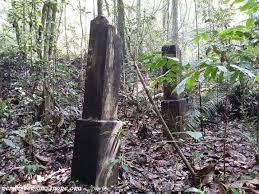
Syonan Jinja (A hidden shrine in Singapore)
Syonan Jinja: History and Legacy During the Japanese Occupation of Singapore (1942–1945), the island was renamed Syonan-to, meaning “Light of the South.” Syonan Jinja was built between 1939 and 1942 (some sources note construction began shortly after the occupation) in a forested area near MacRitchie Reservoir. At the time, it was the largest Shinto shrine outside Japan, constructed to honor Japanese soldiers who died during military campaigns and to serve as a spiritual centre for Japanese settlers and officials. The elevated, serene forest location was carefully chosen for its tranquility and seclusion. The shrine was designed in traditional Shinto style, featuring wooden structures, torii gates, a large main hall, smaller shrines, and stone lanterns. Its grounds were used for rituals, festivals, and memorial ceremonies. During the occupation, it symbolized Japanese authority and cultural influence, forming part of efforts to “Japanize” the region. Local Singaporeans were generally not permitted inside, as it served mainly Japanese military personnel and officials. In 1945, as the Japanese prepared to surrender to the British, the shrine was deliberately destroyed to prevent its desecration. After the war, the site was abandoned and became overgrown, leaving only stone foundations and remnants. Today, Syonan Jinja attracts history enthusiasts, hikers, and nature explorers along the MacRitchie Reservoir trails. While it is not formally preserved, the site offers a glimpse into Singapore’s wartime past, and visitors are advised to exercise caution and respect the natural environment.
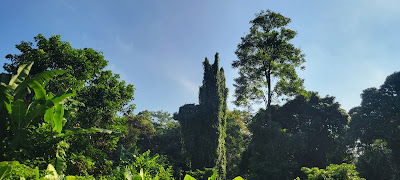
Hidden Avatar Tree Spots in Singapore
Section 3 Canopy Large tropical trees with wide, sprawling branches create a dense canopy, giving a “floating forest” effect as sunlight filters through. Best visited early morning for soft light and fewer visitors. The Giant Rain Tree A massive rain tree with twisted, dangling roots forming natural arches, perfect for mystical, cinematic shots. Stand beneath the canopy and shoot upwards to capture the full scope of its branches. Alley of Fig Trees Rows of old fig trees with thick trunks and aerial roots form a natural “root curtain,” reminiscent of Pandora. A wide-angle lens works well to showcase the labyrinth of roots. Heritage Tombs Area Trees growing around and over old tombs merge history with nature, creating a ghostly, enchanting atmosphere, especially at dusk. Trails can be uneven, so guided tours are recommended. Hidden Trails Near Lornie Road Narrow paths lined with dense undergrowth and towering trees evoke a secret jungle. Explore slowly; morning mist adds drama. Avoid rainy days due to muddy trails. Photography & Exploration Tips Visit early morning or late afternoon for golden light. Use a wide-angle lens; tripod optional for low-light shots. Guided heritage walks provide safety and context on tombs and flora. Respect tombs and private areas, and stay on marked paths.
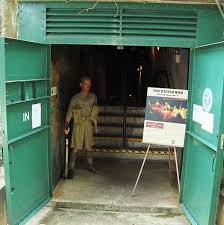
The Battlebox at Fort Canning (Fort Canning’s Secret Bunker)
The Battlebox at Fort Canning The Battlebox is a restored underground command center located inside Fort Canning Hill, Singapore. Built during World War II, it served as the headquarters of the British Far East Command. Most famously, it was the site where the British made the fateful decision to surrender Singapore to the Japanese on 15 February 1942. Today, the Battlebox is preserved as a museum, offering immersive tours that showcase wartime history, military strategies, and life inside the bunker. It’s a hidden gem for history enthusiasts, giving visitors a glimpse into one of Singapore’s most pivotal moments.
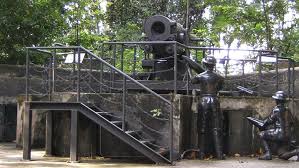
Labrador Nature Reserve
Labrador Nature Reserve is a coastal green space rich in biodiversity, featuring mangroves, secondary forest, and wildlife such as monitor lizards, kingfishers, and butterflies. Its boardwalk offers panoramic sea views, including Keppel Bay and Sentosa, particularly stunning at sunrise or sunset. The reserve also preserves historical relics from its military past, including WWII machine gun posts, bunkers, and tunnels. Originally part of Fort Pasir Panjang, built by the British in the late 19th century, it guarded Keppel Harbour with heavy coastal artillery. During the 1942 Battle of Singapore, the Labrador Battery’s guns fired seaward, making them less effective against inland Japanese attacks. After the war, the coastal guns were dismantled, and the site lost military use, though remnants like pillboxes, observation posts, and tunnels remain. Today, visitors can explore trails connected to Henderson Waves, Telok Blangah Hill Park, and Mount Faber, passing former gun batteries, secret tunnels, and WWII relics, blending nature with Singapore’s strategic wartime history. The reserve also includes a popular fishing jetty for families and anglers.
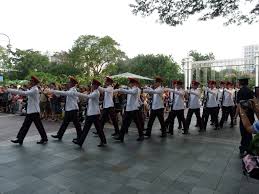
Istana's Change of Guards Ceremony
The Istana Change of Guard Ceremony is a formal military parade held at the Istana, the official residence and office of Singapore’s President along Orchard Road. The event features the outgoing guard formally handing over duties to the incoming detachment, accompanied by precise drills, marching, and live performances by the Singapore Armed Forces Band. Soldiers in smart uniforms march with discipline and pageantry, making the ceremony both a demonstration of military professionalism and a cultural attraction that reflects Singapore’s heritage. The ceremony takes place in front of the Istana’s main gates, offering visitors a unique glimpse into Singapore’s military traditions in a city-centre setting. 2026 First Sundays January: 4 January 2026 February: 1 February 2026 March: 1 March 2026 April: 5 April 2026 May: 3 May 2026 June: 7 June 2026 July: 5 July 2026 August: 2 August 2026 September: 6 September 2026 October: 4 October 2026 November: 1 November 2026 December: 6 December 2026
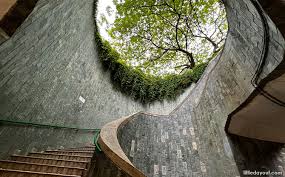
The Fort Canning Tree Tunnel ( Photo spot for content creators )
The Fort Canning Tree Tunnel may look like a historic site, but it is actually a modern creation. Built in the late 1990s–2000s as a pedestrian underpass connecting Fort Canning Park to Dhoby Ghaut/Penang Road, it includes a spiral staircase leading visitors up into the park. Above the staircase grows a large Yellow Rain Tree (Samanea saman); from below, the circular opening frames its canopy, creating the “tree tunnel” effect. Though unplanned as an Instagram spot, it gained fame online in the mid-2010s. The tunnel links to Fort Canning Hill, a site rich in history—from 14th-century Temasek kings and Raffles’ residence to a British fort and WWII headquarters.
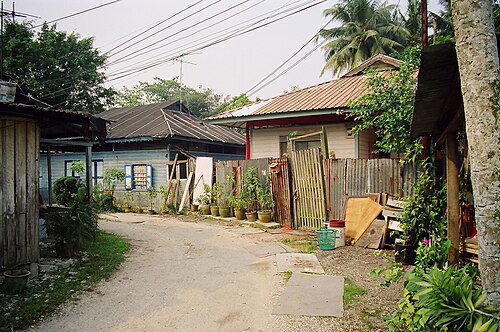
🌿 Kampong Lorong Buangkok – A Step Back in Time
Hidden away just off Yio Chu Kang Road lies Singapore’s last surviving village – Kampong Lorong Buangkok. Built in the 1950s, this quaint kampong feels like a living time capsule, offering a rare glimpse of what life in Singapore was like before the skyscrapers and shopping malls took over. Spread across a little over a hectare of land, the kampong is home to about two dozen traditional zinc-roof houses surrounded by lush greenery. Here, you’ll find friendly residents who still enjoy the charm of close-knit community living, where neighbors know one another and life moves at a gentler pace. Visiting Kampong Lorong Buangkok is like stepping into another world. You can wander along narrow paths, admire the rustic houses, and soak in the nostalgic atmosphere. It’s a wonderful spot for photography, storytelling, or simply escaping the city buzz for a while. 📍 Address: Lorong Buangkok, off Yio Chu Kang Road, Singapore 534299 🕒 Opening Hours: Open daily, 9:00 AM – 6:00 PM (as it is a residential area, visitors are encouraged to be respectful and avoid late visits) For travelers curious about Singapore’s heritage, this kampong is a must-see – a living reminder of the island’s humble beginnings.
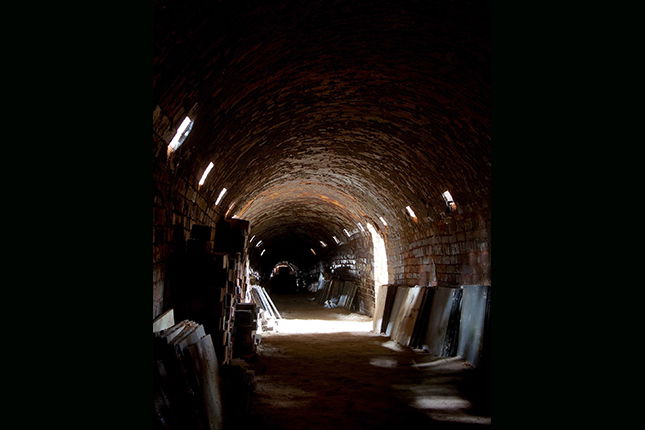
Thow Kwang Pottery Jungle (Where Fire Meets Tradition)
Tucked away in the west of Singapore, Thow Kwang Pottery Jungle is a cultural gem for art lovers and heritage seekers. Established in 1965, it is home to Singapore’s oldest surviving dragon kiln – a traditional wood-fired kiln that stretches over 40 meters long and resembles a dragon lying on the ground. At Thow Kwang, visitors can explore a vast pottery gallery filled with handmade ceramics, from delicate tea sets to large decorative vases. Many of these pieces are created by local artisans as well as international artists who come here to experiment with the dragon kiln’s unique firing process. What makes this place truly special is the chance to join hands-on pottery workshops. You can try your hand at wheel-throwing or hand-building your own clay masterpiece – a fun experience for both adults and children. During special firing events, visitors can also witness the dragon kiln in action, an unforgettable sight as flames bring clay to life. 🌿 Surrounded by greenery, Thow Kwang Pottery Jungle offers a peaceful escape from the city and a fascinating look into Singapore’s traditional craft heritage. 📍 Address: 85 Lorong Tawas, Singapore 639823 🕒 Opening Hours: Daily, 9:00 AM – 5:00 PM (Closed on Mondays)
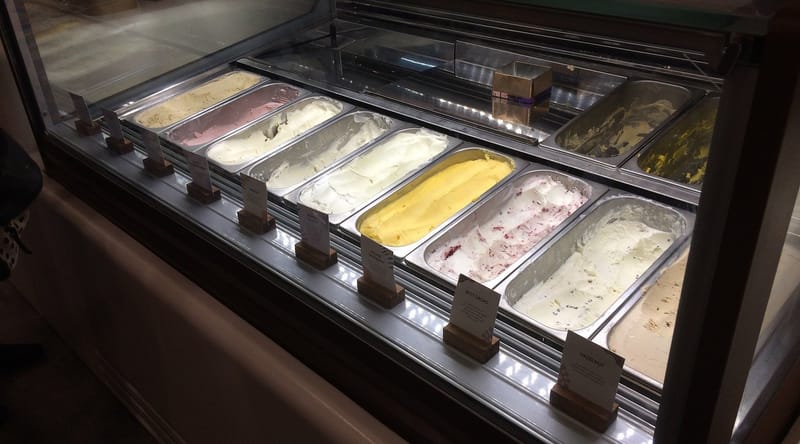
Birds of Paradise (BoP) Singapore botanical gelato boutique ICE CREAMS
Birds of Paradise (BoP) is a Singapore-based botanical gelato boutique that crafts artisanal gelato using unadulterated flavours derived from fruits, flowers, herbs, and spices, particularly those from Southeast Asia. Founded in 2016, their mission is to make the world a better place through their business practices, which emphasize community and sustainability, and their unique, premium-quality gelato is known for its authentic botanical infusions and the accompanying house-made thyme-scented waffle cones.

Berseh Food Centre Ice Kachang & Desserts
Here’s a list of must-try desserts at Berseh Food Centre, Singapore, along with their typical prices: 1. Ice Kachang Finely shaved ice with colorful syrups and toppings like red beans, attap seeds, corn, grass jelly, and condensed milk. Price: S$3–5 2. Chendol Shaved ice dessert with green rice flour jelly, coconut milk, gula Melaka (palm sugar syrup), and red beans. Price: S$3–4 3. Tau Huay (Soybean Pudding) Silky soft tofu served with ginger syrup or sweet syrup, sometimes with ice. Price: S$2–3 4. Pulut Hitam (Black Glutinous Rice Porridge) Sweet black glutinous rice cooked with coconut milk, sometimes served with shaved ice. Price: S$3–4 5. Durian Desserts Ice kachang or puddings topped with fresh durian flesh for a rich, creamy flavor. Price: S$5–7 6. Sweet Corn Dessert Often served with shaved ice or coconut milk, combining natural sweetness with refreshing ice. Price: S$2.50–4 7. Red Bean Soup / Soya Bean Dessert Hot or cold sweet soups with red beans or soya beans, sometimes paired with glutinous rice balls. Price: S$2–3
Old Amoy Chendol (1950)
Old Amoy Chendol is one of Singapore’s most iconic traditional dessert stalls, renowned for its authentic, handmade chendol. The story began in the 1950s when the founder’s grandfather sold chendol from a pushcart along Amoy Street, quickly gaining a following among locals for its rich palm sugar syrup and fresh ingredients. Over time, the original pushcart closed, but the cherished family recipe was preserved. In 2017, the founder’s grandson, Zhao Youning, revived the tradition by opening a modern stall at Chinatown Complex Food Centre, bringing the classic dessert back to Singapore’s bustling hawker scene. Old Amoy Chendol is celebrated for its handmade pandan jelly, thick coconut milk, sweet red beans, and rich gula melaka syrup, all prepared daily with traditional methods. Its flavorful and refreshing dessert has made it a must-visit for locals and tourists alike, cementing its reputation as one of the best chendol stalls in Singapore.
Tan’s Tutu Coconut Cake 1932
Tan’s Tutu Coconut Cake is one of Singapore’s most historic and beloved traditional hawker desserts, best known for its steamed tutu kueh — soft, flower‑shaped rice flour cakes filled with grated coconut or peanuts and served on fragrant pandan leaves. The business traces its roots back to 1932, when Tan Yong Fa, who migrated from Fujian province in China, began selling song gao (plain rice cakes) before innovating the now‑iconic tutu kueh by adding sweet fillings, creating the version Singaporeans know today. Over decades, the family sold their kueh from pushcarts around Singapore in places like Chinatown and Great World City, later moving into hawker centres by the 1970s. The business was formally known as Tan’s Tutu Coconut Cake under Tan’s brother Tan Cheong Chuan, and later run by his sister Tan Bee Hua from the Havelock Road Cooked Food Centre stall, where she upheld the family’s handmade tradition until her passing in 2025.

Want to list your store that is related for tourist?
Contact us at MrKnowSg@gmail.com now! https://www.tiktok.com/@mrknowsg
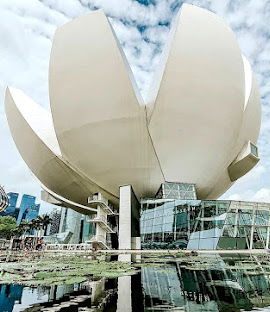
Art Science Museum
ArtScience Museum is a prominent cultural attraction in Singapore, located at 6 Bayfront Avenue within the Marina Bay Sands resort. Famous for its lotus-inspired design with ten “petals,” the building symbolizes the fusion of art and science and stands out on the Marina Bay skyline. Rather than a permanent collection, the museum hosts rotating exhibitions, including international tours and large-scale immersive installations exploring creativity, technology, and scientific innovation. Officially opened in February 2011 by Singapore’s Prime Minister, it was conceived as the world’s first museum dedicated to the intersection of art and science, offering visitors dynamic, thought-provoking experiences that blend culture, innovation, and design.
Children Museum Singapore
Children’s Museum Singapore (CMSG) is a museum designed specifically for children aged 12 and below. It’s dedicated to play‑based learning, exploration, and storytelling, blending interactive exhibits with educational content about Singapore’s history, culture, and the world — all tailored to be engaging, immersive, and child‑friendly. Exhibits often include multimedia interactives, hands‑on activities, and sensory experiences to spark curiosity and creativity. The museum is housed in a historic double‑storey colonial building on 23‑B Coleman Street, in Singapore’s Civic District — a structure with more than a century of history. Formerly known as the Singapore Philatelic Museum
Mint Museum Toys
MINT Museum of Toys is a specialised museum in Singapore dedicated to the world of vintage toys and childhood memorabilia. It showcases one of the largest collections of classic and rare toys in Asia, spanning several decades and cultures. Visitors can wander through themed galleries filled with toys that evoke nostalgia and curiosity — from space‑age figures to beloved characters and traditional games. The museum is housed in a distinctive multi‑storey heritage building on Seah Street, and its displays are grouped into themed levels such as Outerspace, Characters, Childhood Favourites, and Collectables, giving a playful yet historical look at how toys reflect society and technology over time. Founded in 2007, the MINT Museum of Toys was established by a private collector who has spent decades assembling a vast range of toys and childhood objects from around the world.
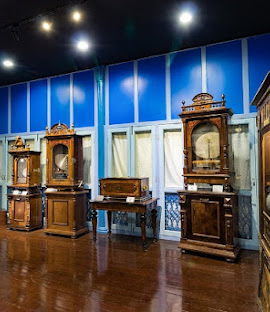
Music Museum
Singapore Musical Box Museum is a unique museum dedicated to antique musical boxes and early mechanical music-playing devices, making it the country’s first and only museum of its kind. It showcases over 40 vintage pieces from the 19th and early 20th centuries, sourced from Europe and the United States, ranging from decorative to large, intricate music boxes. These exhibits operate using mechanical systems such as rotating cylinders, discs, and combs, offering insight into how music was enjoyed before records, radios, and digital formats. The museum also serves as a centre for research and preservation, highlighting the cultural and technological history of mechanical music and its role in early musical experiences.

Madam Tussands Wax Museum Singapore
Madame Tussauds Singapore is a wax museum and interactive tourist attraction where visitors can get up close with lifelike wax figures of celebrities, world leaders, sports icons, cultural heroes, and pop‑culture stars from around the world. It’s a place to take photos, immerse yourself in themed zones, and enjoy interactive experiences that blend entertainment, culture, and storytelling. Opening: Madame Tussauds Singapore officially opened on 25 October 2014 in the Imbiah Lookout area of Sentosa Island, making it one of the global chain’s newest and most innovative branches.
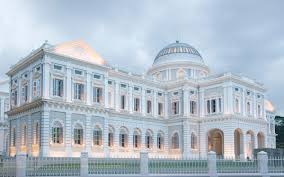
National Museum of Singapore
The National Museum of Singapore is the oldest museum in Singapore, located at 93 Stamford Road. It is a premier institution for Singapore’s history, culture, and heritage, combining modern galleries, immersive exhibitions, and historical architecture. The museum presents Singapore’s story from early colonial times to the present day, making it both educational and visually engaging for visitors.
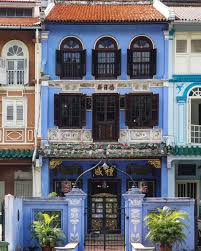
NUS Baba house Singapore
NUS Baba House is a restored Peranakan heritage residence located at 157 Neil Road in Singapore’s historic Blair Plain and Tanjong Pagar area. It is one of the few remaining Straits Chinese terrace houses preserved in its original form, offering insight into Peranakan domestic life in the early 20th century. Managed by the NUS Museum under the NUS Centre for the Arts, the house features traditional architecture, interiors and cultural artefacts linked to Peranakan families, especially the Wee family who once lived there. The term “Baba” refers to Straits Chinese men of Peranakan heritage. Through its rooms and displays, the house illustrates daily life, customs and social traditions during the colonial era.
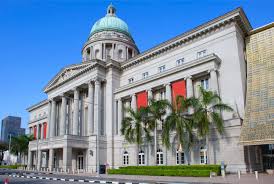
National Gallery Singapore
National Gallery Singapore is Singapore’s premier visual arts institution, housing the largest public collection of modern art in Singapore and Southeast Asia. The Gallery showcases artworks from the 19th century to the present, highlighting the artistic journeys of Singapore and the region. It blends art with history, culture, and architecture to offer rich experiences for visitors through permanent collections, special exhibitions, educational programmes, talks, performances, and guided tours. National Gallery Singapore opened on 24 November 2015 after years of planning and restoration. It was created to serve as a world‑class visual arts institution for Singapore and Southeast Asia.
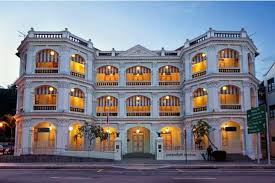
Peranakan Museum
The Peranakan Museum is a specialised heritage museum at 39 Armenian Street in Singapore’s Civic District, dedicated to the culture, history, and traditions of Peranakan communities, especially the Straits Chinese (Baba‑Nyonya) of Singapore, Malacca, Penang, and Southeast Asia. Through themed galleries on origins, home life, fashion, food, religion, and social customs, it showcases how Peranakans expressed identity, celebrated life, and lived daily through objects, clothing, and design. Housed in the historic Old Tao Nan School building, constructed between 1910 and 1912, the museum features neo-classical architecture adapted to Singapore’s climate, with high ceilings, verandas, and large windows, preserving both cultural and architectural heritage.
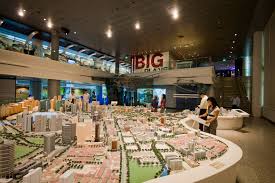
Singapore City Gallery
Singapore City Gallery (formerly known as the URA Gallery) is a public exhibition space dedicated to showcasing Singapore’s urban planning and city development story. It takes visitors on an interactive journey through how Singapore transformed from a young, resource‑limited nation into one of the world’s most liveable and efficiently planned cities. The gallery was established in January 1999 by the Urban Redevelopment Authority (URA) — Singapore’s land use planning and conservation agency — and originally opened as the URA Gallery.
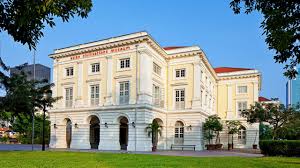
The Asian Civilisations Museum (ACM) Singapore
The Asian Civilisations Museum (ACM) is a major cultural institution in Singapore’s Civic District, dedicated to exploring the art, history and civilisations of Asia. It showcases a wide range of artefacts, artworks and cultural objects that highlight the traditions, beliefs, trade networks and artistic achievements across Asia — with special focus on Southeast Asia, China, South Asia, West Asia and the Peranakan world. The museum’s galleries are organised thematically and geographically, allowing visitors to trace the historical connections and exchanges between different Asian cultures and between Asia and the wider world. ACM also runs special exhibitions, guided tours and educational programmes to deepen understanding of Asia’s diverse cultural heritage.
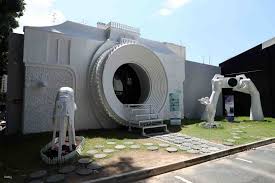
The Vintage Camera Museum Singapore
The Vintage Camera Museum in Singapore is the city’s first and only museum dedicated to the history of cameras and photography. It occupies a distinctive camera‑shaped building in the Kampong Glam area and showcases a large collection of photographic equipment spanning the development of imaging technology. Visitors can explore over 1,000 cameras and photographic accessories, ranging from early box and film cameras to rare spy cameras and novelty camera designs. Exhibits also highlight how photography evolved from its early challenges into the modern era, with displays including historical photographs and themed zones that celebrate different aspects of photographic culture and technology.
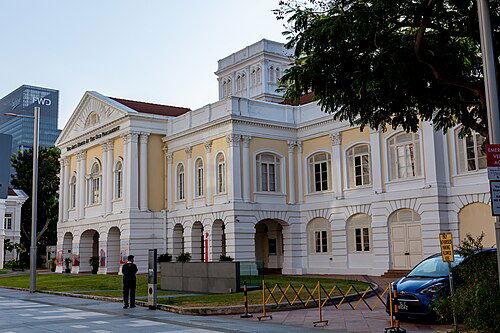
The Arts House formally The Arts House at the Old Parliament Singapore
The Arts House, formally known as The Arts House at the Old Parliament, is a multidisciplinary arts and cultural venue in one of Singapore’s oldest and most historic buildings. Located at 1 Old Parliament Lane, the site is where Sir Stamford Raffles is believed to have landed in 1819. Built in 1827, the building has served as a residence, courthouse, Supreme Court, and later as Singapore’s Parliament House after independence. Today, it blends heritage with contemporary arts, hosting literature, music, visual arts, exhibitions, film, and creative programmes. It is a beloved cultural hub offering free exhibitions, talks, festivals, and performances in a historic setting, connecting Singapore’s past with its vibrant arts scene.
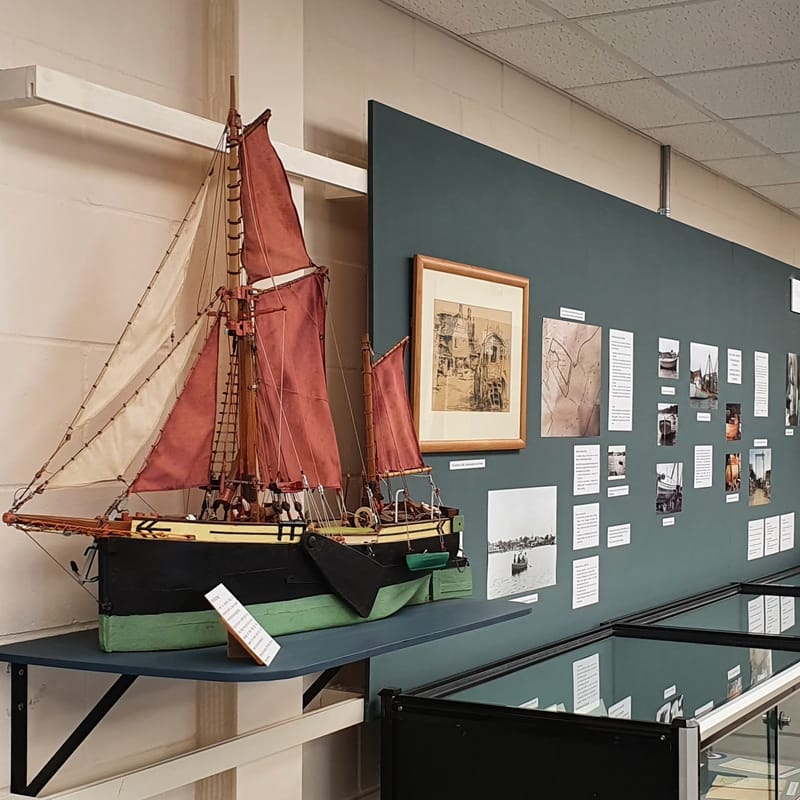
The Woodbridge Museum
The Woodbridge Museum is a museum that explores the history of mental health care in Singapore. It is located on the grounds of the former Woodbridge Hospital and is managed by the Institute of Mental Health. The museum preserves artifacts, photographs, and records that document the evolution of psychiatric care in Singapore from the early 20th century to today. It highlights treatment practices, hospital life, and community mental health programs, offering insight into the challenges and progress in the field. Woodbridge Hospital, originally opened in 1928 as the Insane Hospital, was the country’s main psychiatric facility. Over time, it expanded its services, modernized mental health care, and became a center for psychiatric research and training. The Woodbridge Museum educates visitors about this journey, promoting awareness of mental wellness and the development of psychiatric care in Singapore, while preserving the legacy of one of the nation’s most important healthcare institutions.
Albert Centre
Albert Food Centre (also known as Albert Centre Market & Food Centre) is a long-established hawker centre and wet market located at 270 Queen Street in the Bugis area of Singapore. It combines a bustling food centre on the ground floor with a traditional wet market and dried goods stalls on the upper levels, making it a popular destination for authentic local hawker fare and everyday groceries. The food centre is known for its diverse range of affordable Singaporean dishes such as nasi lemak, Hainanese chicken rice, yong tau foo, lor mee and prawn noodles, attracting both locals and tourists seeking classic hawker experiences. It also sits close to cultural landmarks and busy retail districts, making it a vibrant part of the neighborhood.
Amoy Food Center
Amoy Street Food Centre is a long-established two-storey hawker centre located at 7 Maxwell Road in Singapore’s Central Business District. It is widely known for its affordable and diverse range of local dishes, including fish soup, char kway teow, nasi lemak and curry puffs, alongside newer and fusion offerings. With over 130 stalls across two levels, it has been a popular lunchtime destination for office workers, tourists and food lovers for decades. Opened in April 1983 and officially inaugurated in July the same year, the centre was built to relocate street hawkers into a cleaner, more organised environment. Hawkers from nearby streets brought with them traditional recipes and food culture. After major upgrades in the 2000s, the centre remains an iconic spot blending heritage and modern dining trends.
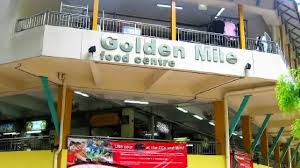
Golden Mile Food Center
Golden Mile Food Centre is a well-known hawker centre and community dining spot located at 505 Beach Road in Singapore. It offers a wide range of affordable local and multicultural dishes, including claypot rice, fried Hokkien mee, chicken rice, yong tau foo and Peranakan specialties. The food stalls are mainly found on the ground and basement levels, while the upper floors are historically linked to retail and community stalls, including the famous “Army Market” known for army gear and outdoor items. Opened in 1975, the centre was developed to relocate street hawkers from nearby areas into a more organised setting. Its lively atmosphere and diverse food choices have made it a popular dining destination for locals, workers and visitors across generations.
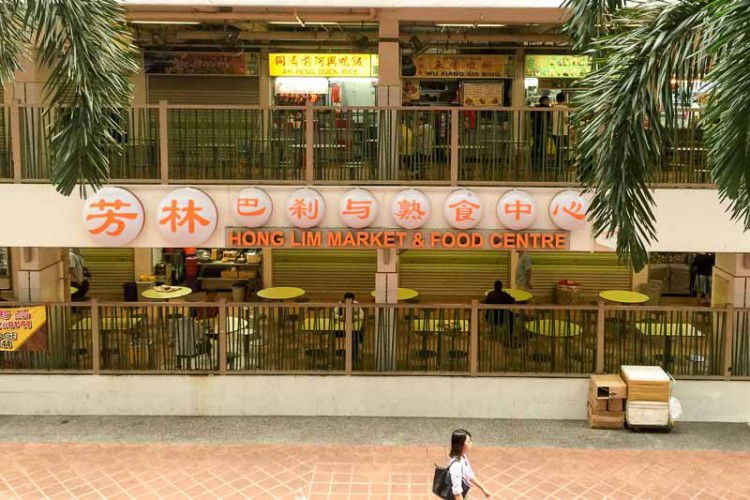
Hong Lim Market & Food Centre
Hong Lim Market & Food Centre is a long-established hawker centre and market complex located at 531A Upper Cross Street in Singapore’s Chinatown. It features over a hundred cooked food stalls across two levels, alongside market vendors selling fresh produce and daily necessities. The centre is well known for affordable local favourites such as laksa, bak chor mee, wanton mee and curry chicken noodles, attracting residents, office workers and food lovers. Opened in 1978, it was built to relocate nearby street hawkers into a cleaner and more organised setting. Over the years, upgrades have improved comfort and facilities while preserving its lively neighbourhood atmosphere. Today, it remains a popular community dining spot where traditional hawker dishes meet modern food trends.
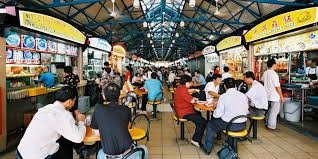
Maxwell Food Center
Maxwell Food Centre is a bustling open-air hawker centre located at 1 Kadayanallur Street in Chinatown, Singapore. It’s one of the city’s best-known food hubs, celebrated for its wide variety of authentic Singaporean dishes — from Hainanese chicken rice and Cantonese-style porridge to fried noodles, laksa, and traditional snacks. With over 100 stalls, Maxwell attracts locals, office workers, and tourists eager to sample classic local comfort food at affordable prices. Maxwell Food Centre is a bustling open-air hawker centre located at 1 Kadayanallur Street in Chinatown, Singapore. It’s one of the city’s best-known food hubs, celebrated for its wide variety of authentic Singaporean dishes — from Hainanese chicken rice and Cantonese-style porridge to fried noodles, laksa, and traditional snacks. With over 100 stalls, Maxwell attracts locals, office workers, and tourists eager to sample classic local comfort food at affordable prices.
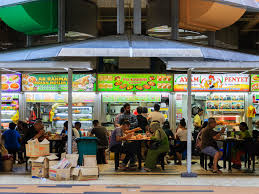
Tekka Centre History and Introduction
Tekka Centre is a historic and bustling multi-use market complex in Little India, Singapore, featuring a wet market, a hawker food centre and retail shops all under one roof. Its wet market is one of the city’s largest, offering fresh produce, meat, seafood and spices that reflect Singapore’s multicultural food heritage. Above the market is a lively mix of food stalls serving a wide range of cuisines — Indian, Malay, Chinese and others — alongside shops selling casual clothing, accessories, textiles and everyday goods. Its location next to Little India MRT Station makes it a key cultural and commercial hub for residents, office workers and visitors experiencing Singapore’s vibrant hawker and market culture.
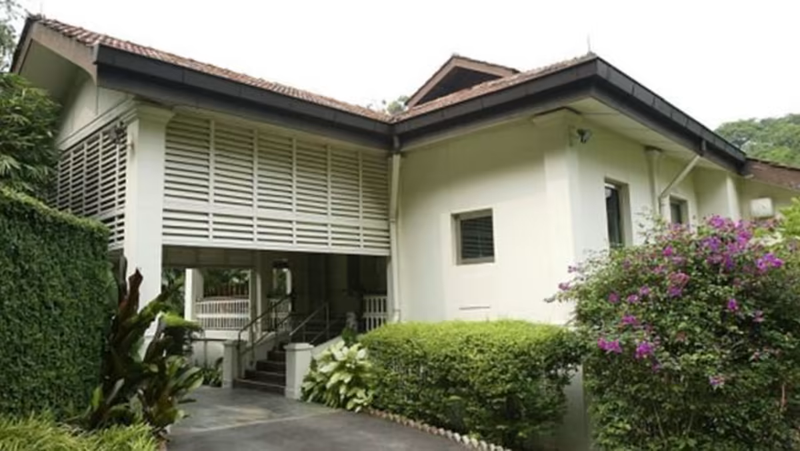
Lee Kuan Yew House 38 Oxley Road
38 Oxley Road is a historic eight-bedroom, two-storey bungalow located near Orchard Road in Singapore. It is best known as the longtime home of Lee Kuan Yew, who lived there for decades after moving in following World War II. His wife, Kwa Geok Choo, joined him in residence around 1950. The house played a significant role in Singapore’s political history, as early meetings of the People's Action Party were held in its basement in 1954. It also served as the childhood home of Lee Hsien Loong. Over time, the property became both a private residence and a site of national importance. Today, it remains at the center of ongoing discussions about heritage preservation, legacy, and its future status as a national monument.
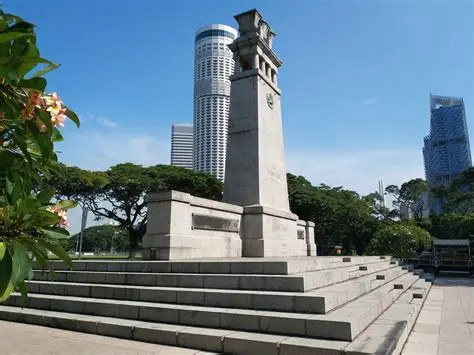
The Kranji War Memorial Cenotaph
The Kranji War Memorial Cenotaph in Singapore stands as a solemn tribute to soldiers who lost their lives during the World War II and have no known graves. Located within the Kranji War Memorial, the cenotaph symbolizes remembrance and respect for those who fought for freedom in Southeast Asia. It is part of a larger memorial complex maintained by the Commonwealth War Graves Commission, which commemorates Commonwealth soldiers. The names of thousands of missing servicemen are inscribed on its walls, offering a place for reflection and gratitude. Today, the cenotaph remains an important site for memorial ceremonies, including remembrance services, where visitors gather to honor sacrifice and reflect on the cost of war.
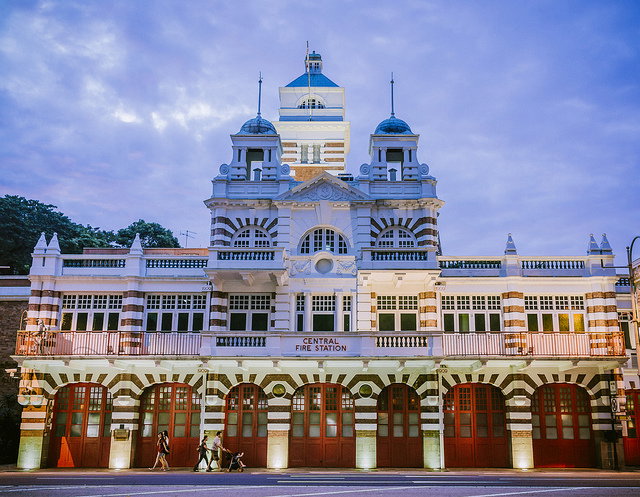
The Central Fire Station historic and iconic building
The Central Fire Station is a historic and iconic building located along Hill Street. Built in 1909 during the British colonial period, it is the oldest surviving fire station in Singapore and remains operational today. Its distinctive red-and-white brick façade and watchtower make it a recognizable landmark in the city. The station is managed by the Singapore Civil Defence Force (SCDF), which oversees firefighting, rescue, and emergency medical services. In addition to its operational role, the station also houses the Civil Defence Heritage Gallery, where visitors can learn about the history of firefighting in Singapore. Blending heritage with modern functionality, the Central Fire Station reflects Singapore’s commitment to preserving its past while ensuring public safety. It continues to serve as both a working fire station and an educational site for the community.
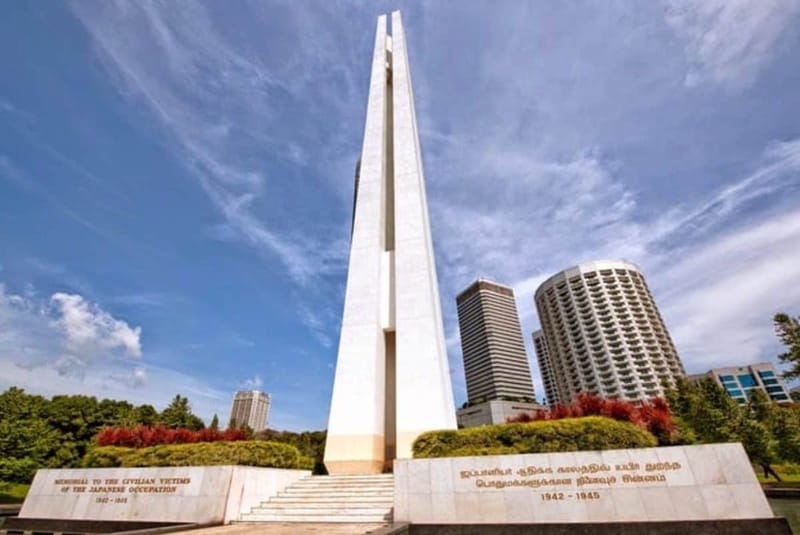
The Civilian War Memorial Singapore
The Civilian War Memorial is a solemn monument dedicated to honoring the civilian victims of World War II in Singapore. Located in the heart of the city along Beach Road, it stands as a poignant reminder of the suffering endured during the Japanese occupation from 1942 to 1945. The memorial was officially unveiled in 1967 and was built through contributions from the local community. The monument’s design features four tall, sleek pillars representing the major ethnic groups in Singapore—Chinese, Malay, Indian, and Eurasian—symbolizing unity and shared grief. Its central structure rises from a reflecting pool, creating a serene environment for reflection and remembrance. Managed by the National Heritage Board, the Civilian War Memorial serves both as a historical landmark and an educational site. It is a place where visitors can pay respects, learn about the nation’s wartime history, and reflect on the resilience and unity of Singapore’s people.
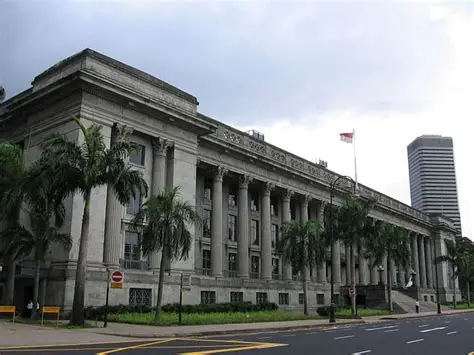
The Former City Hall historic building
The Former City Hall is a historic building located in the Civic District, next to the iconic Padang. Constructed in 1929 during the British colonial era, it originally served as the administrative headquarters of the city’s municipal government. The building is renowned for its neoclassical architecture, featuring grand columns, high ceilings, and elegant façade details, reflecting Singapore’s colonial heritage. Former City Hall has been the site of many significant events in Singapore’s history, including the formal surrender of the Japanese in 1945 and the proclamation of Singapore’s independence in 1965. Today, it has been integrated into the National Gallery Singapore, serving as part of a major cultural and arts institution that showcases Southeast Asian art. The building stands as a symbol of Singapore’s political history and architectural heritage, offering visitors a chance to connect with the nation’s past while experiencing contemporary art and culture.
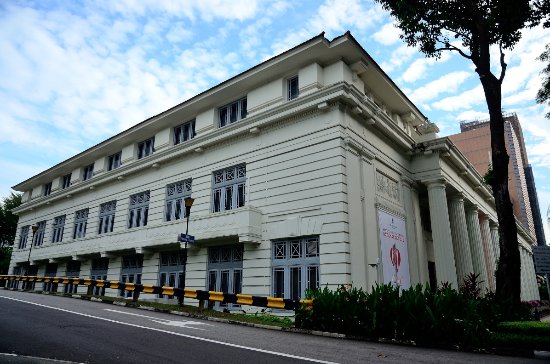
The College of Medicine Building Singapore
The College of Medicine Building is a landmark historic building in Singapore, located at 16 College Road within the Singapore General Hospital compound. It was constructed as the new home for the King Edward VII College of Medicine, the first purpose‑built medical school in British Malaya, to train doctors locally instead of sending students abroad. Designed by Government Architect Major P. H. Keys in a neoclassical style with grand Doric columns and symbolic medical friezes, the building’s foundation stone was laid in 1923 and it was formally opened on 15 February 1926 by the Governor of the Straits Settlements. For decades it served as the core of medical education, later becoming part of the University of Malaya’s Faculty of Medicine after 1949. Following extensive restoration in the 1980s, it became office space for the Ministry of Health and related medical bodies. In 2002 the building was gazetted as a national monument, recognising its significance in Singapore’s healthcare and education history.
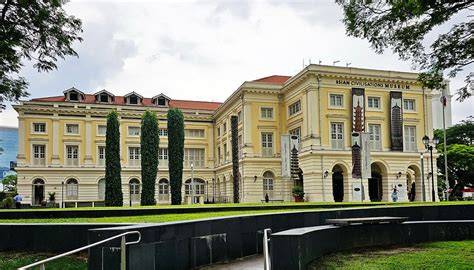
The Former Empress Place Building
The Former Empress Place Building is a prominent historic landmark in Singapore, located along the Singapore River in the Civic District. Construction began in 1864 and was completed in stages by 1920, originally intended as a courthouse but repurposed as the Government Offices to house key colonial departments, including the Secretariat, Public Works, Treasury, and Land Office. Its adjacent square, Empress Place, was named in 1907 to honor Queen Victoria, giving the building its enduring name. Designed in a neo‑Palladian style, the building features classical columns, timber-louvred windows, and arcaded verandahs, symbolizing Singapore’s colonial administrative importance. Following independence, it continued serving government functions, including the Immigration Department and Registry of Births and Deaths, until the late 1980s. Restored in the 1980s and gazetted as a national monument in 1992, it became part of the Asian Civilisations Museum in 2003, showcasing rich Asian art and culture while preserving a vital piece of Singapore’s civic and architectural history. Asian Civilisations Museum — which today occupies the Former Empress Place Building.
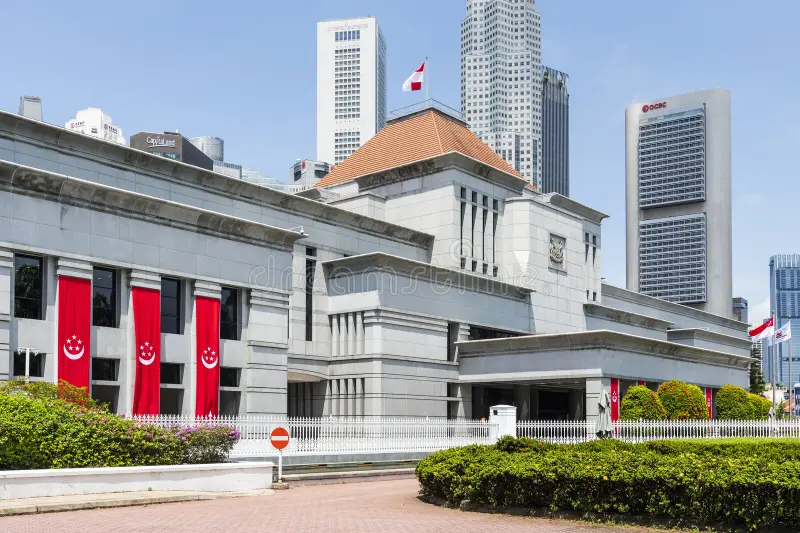
Former Attorney-General's Chambers (now Parliament House)
The Former Attorney-General's Chambers, now known as Parliament House, is a prominent landmark in Singapore’s Civic District. Originally constructed in 1939, the building first served as the offices of the Attorney-General, playing a key role in the nation’s legal and administrative framework during the colonial era. Its design reflects classical architectural influences, with stately columns and a symmetrical façade that conveys authority and dignity. In 1999, the building was renovated and repurposed to house Singapore’s Parliament, becoming the central hub for the country’s legislative activities. It stands alongside other historic structures such as the Former City Hall and the Supreme Court Building, forming a civic ensemble that represents Singapore’s political heritage. Today, Parliament House symbolizes governance, democracy, and national development. While access inside is limited to official functions and guided tours, its exterior remains an iconic site for visitors to appreciate Singapore’s historical and institutional legacy.
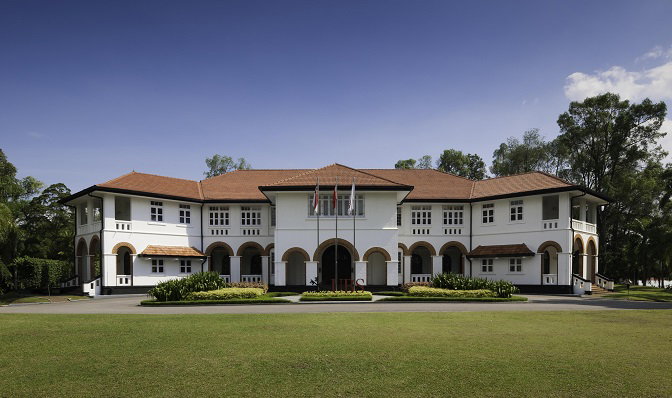
The Former Command House
The Former Command House is a historic colonial-era building located on Orchard Road, originally serving as the residence of the Commander of the British Forces in Singapore. Completed in 1939, the building exemplifies colonial architecture, with its elegant façade, spacious verandahs, and lush surrounding gardens. It was designed to provide both comfort and strategic oversight, reflecting its dual role as a residence and a symbol of military authority. After Singapore gained independence, the building was repurposed for civilian use and now forms part of the Raffles Hotel complex’s heritage precinct, preserving its architectural charm while integrating it into the modern urban landscape. The Former Command House stands as a reminder of Singapore’s colonial and military history, offering insight into the lifestyles of senior officers during the British era. Its well-maintained exterior and grounds make it an important landmark for visitors interested in heritage and history.
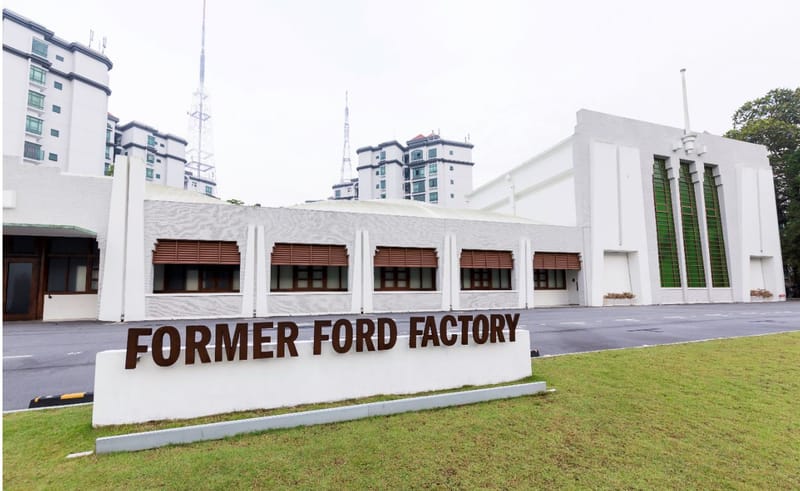
Former Ford Factory (now Memories at Old Ford Factory)
The Former Ford Factory, now known as Memories at Old Ford Factory, is a significant historical site located along Upper Bukit Timah Road. Built in 1941, the factory was originally used for assembling Ford vehicles but became a pivotal location during World War II. It is famously known as the place where the British surrendered Singapore to the Japanese in February 1942, marking a turning point in the nation’s wartime history. Today, the site has been transformed into a museum that preserves and showcases Singapore’s World War II experiences. Exhibits include wartime artifacts, photographs, and multimedia displays that recount the stories of soldiers, civilians, and the Japanese occupation. Memories at Old Ford Factory serves as both an educational and reflective space, allowing visitors to understand the hardships of war and the resilience of Singaporeans. The preserved factory building, combined with its immersive exhibitions, makes it a poignant landmark for history enthusiasts and the general public alike.
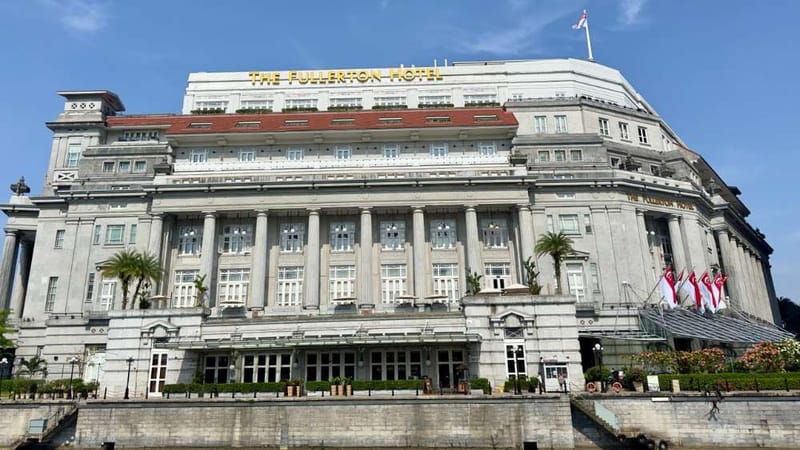
Former Fullerton Building Singapore
The Former Fullerton Building, now known as The Fullerton Hotel Singapore, is a historic landmark located at the mouth of the Singapore River. Completed in 1928, the building originally served as the General Post Office, as well as offices for various government departments, making it a central hub of colonial administration. Its grand neoclassical architecture, characterized by imposing Corinthian columns, ornate façades, and spacious interiors, reflects the grandeur of early 20th-century public buildings. Throughout its history, the Fullerton Building has witnessed many significant events, including Singapore’s transformation from a colonial port to a modern city-state. In 2001, it was converted into a luxury hotel, preserving much of its architectural heritage while adapting to contemporary use. Today, the building stands as a symbol of Singapore’s historical and cultural legacy, blending colonial elegance with modern hospitality. Visitors can admire its exterior freely and appreciate its architectural and historical significance.
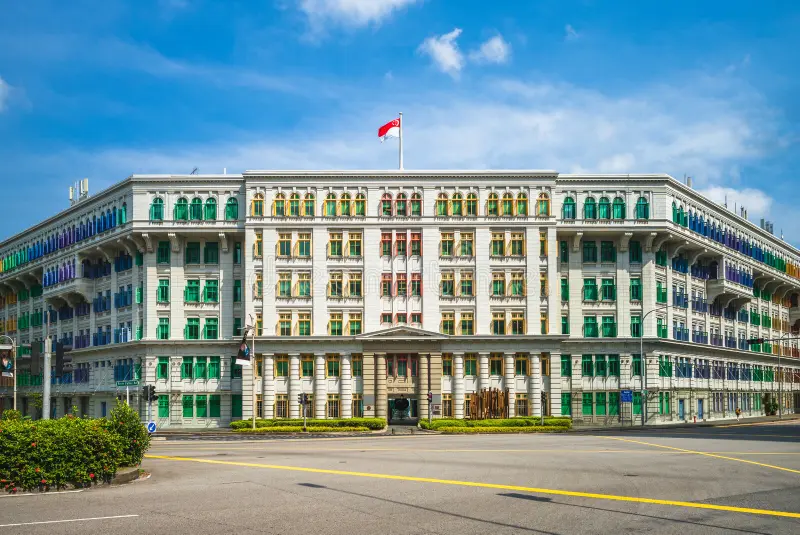
The Former Hill Street Police Station
The Former Hill Street Police Station is a historic landmark located along Hill Street in Singapore’s Civic District. Completed in 1934, it originally served as the headquarters for the Singapore Police Force and housed various police units, including the traffic and administrative divisions. The building is renowned for its distinctive architecture, featuring a long façade of colorful rainbow-painted windows, arched colonnades, and a blend of colonial and Art Deco design elements, making it one of the city’s most visually striking heritage sites. The Hill Street Police Station played a key role in maintaining law and order during the British colonial era and Singapore’s early years of independence. In 1987, police operations moved out, and the building was repurposed for government offices, including the Ministry of Information, Communications and the Arts. Today, the former Hill Street Police Station stands as a symbol of Singapore’s law enforcement history and architectural heritage, attracting visitors interested in the nation’s civic and cultural past.
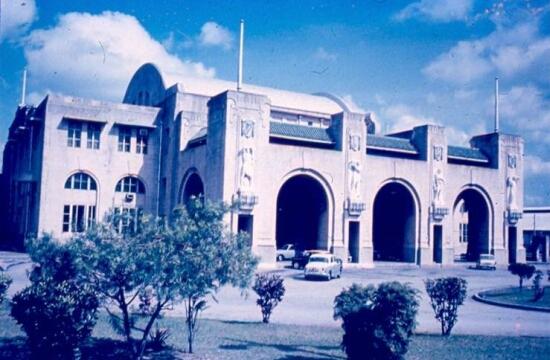
The Former Tanjong Pagar Railway Station
The Former Tanjong Pagar Railway Station is a historic landmark in Singapore that once served as the southern terminus of the railway line operated by Keretapi Tanah Melayu (KTM), linking Singapore with the Malay Peninsula. Built between 1929 and 1931 and officially opened on 2 May 1932, the station was strategically located along Keppel Road to connect rail transport with Singapore’s busy port, supporting trade and movement of people across the region. Designed in an Art Deco architectural style, the station features striking elements such as four large marble sculptures representing agriculture, commerce, transport, and industry, reflecting key sectors of the economy at that time. After nearly 80 years of service, the railway station ceased operations on 30 June 2011, with KTM services relocated to the Woodlands Train Checkpoint. The building was gazetted as a national monument in April 2011, recognising its cultural and historical significance. Today the former station stands as a preserved heritage site and is being integrated into future development plans, including integration with the new Cantonment MRT station on the Circle Lin
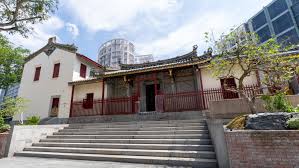
The House of Tan Yeok Nee historic Peranakan mansion
The House of Tan Yeok Nee is a historic Peranakan mansion located in Singapore, celebrated as one of the finest examples of Chinese residential architecture in Southeast Asia. Built in 1885 by Tan Yeok Nee, a wealthy Chinese businessman, the mansion reflects a unique blend of Southern Chinese craftsmanship and local Peranakan culture. Its intricate wood carvings, elaborate tiles, and elegant courtyards showcase the artistry and attention to detail of that era. Recognized as a national monument in 1974, the house preserves the rich heritage of Singapore’s Chinese community and provides a window into the lifestyle of affluent Peranakan families of the late 19th century. Today, the House of Tan Yeok Nee is not only an architectural landmark but also a cultural venue, hosting events and exhibitions that highlight Singapore’s historical and artistic traditions. It remains a treasured symbol of heritage and craftsmanship.
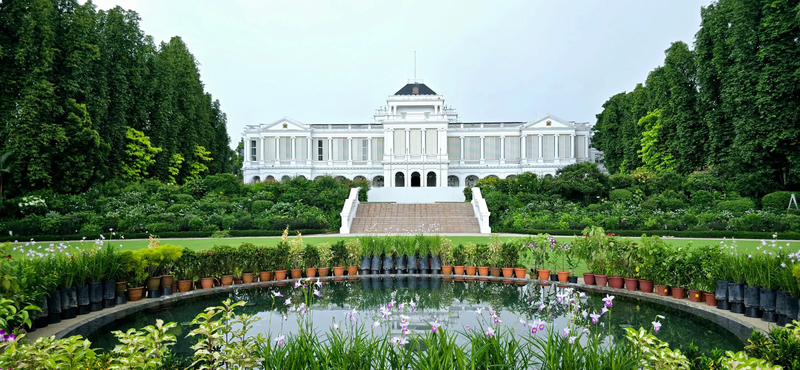
Istana Singapore
The Istana is a historic and prestigious landmark located in the heart of Singapore. The word “Istana” means “palace” in Malay, reflecting its role as the official residence and office of the President of Singapore. Built in 1869 during British colonial rule, it originally served as the Government House for colonial governors. Today, it is used for state functions, official ceremonies, and diplomatic meetings. Set within expansive, beautifully landscaped grounds spanning about 100 acres, the Istana features lush greenery, heritage trees, and elegant architecture. Although it is not open daily, the public can visit during selected open house events on major national holidays. The Istana stands as a symbol of Singapore’s political heritage, governance, and national identity, blending historical significance with modern state functions.
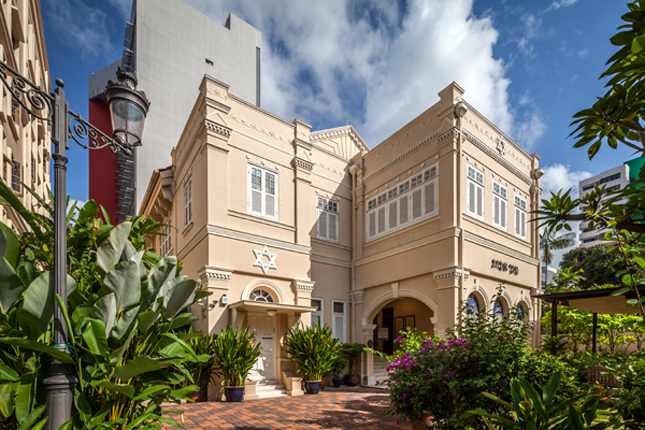
The Maghain Aboth Synagogue Singapore
The Maghain Aboth Synagogue is the oldest Jewish synagogue in Singapore and a significant symbol of the country’s multicultural heritage. Located along Waterloo Street, it was built in 1878 by the Jewish community, many of whom were Baghdadi Jews who settled in Singapore during the 19th century. The synagogue’s name, meaning “Shield of Our Fathers,” reflects its religious and cultural importance. Its architecture is simple yet elegant, featuring high ceilings, arched windows, and a peaceful prayer hall. The building has been preserved as a national monument, highlighting its historical and cultural value. Today, the synagogue continues to serve as a place of worship and community gathering for Singapore’s Jewish population. It stands as a testament to the contributions of early Jewish settlers and the religious diversity that defines Singapore’s society.
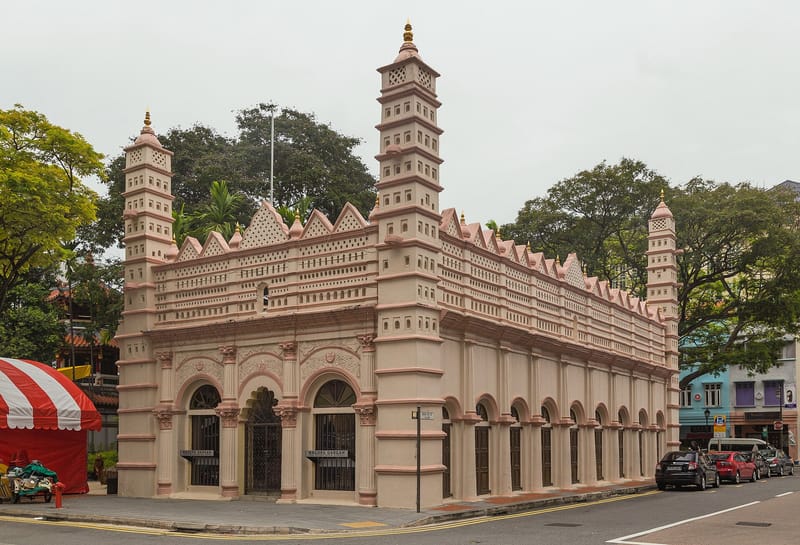
Nagore Durgha Singapore
The Nagore Dargah is a unique and culturally significant landmark located in the Telok Ayer district of Singapore. Built between 1828 and 1830, it was established by South Indian Muslim traders in honor of the revered Sufi saint Shahul Hamid of Nagore, India. Despite being called a “dargah” (shrine), it is not used for regular religious worship today. Instead, it stands as a historical monument reflecting the early presence and contributions of Indian Muslim communities in Singapore. The structure features a distinctive architectural style, blending South Indian and Islamic influences, including ornate arches and a tall minaret-like tower. Now preserved as a national monument, the Nagore Dargah serves mainly as a heritage site and cultural space. It highlights Singapore’s rich multicultural history and the diverse religious traditions that have shaped the nation over time.
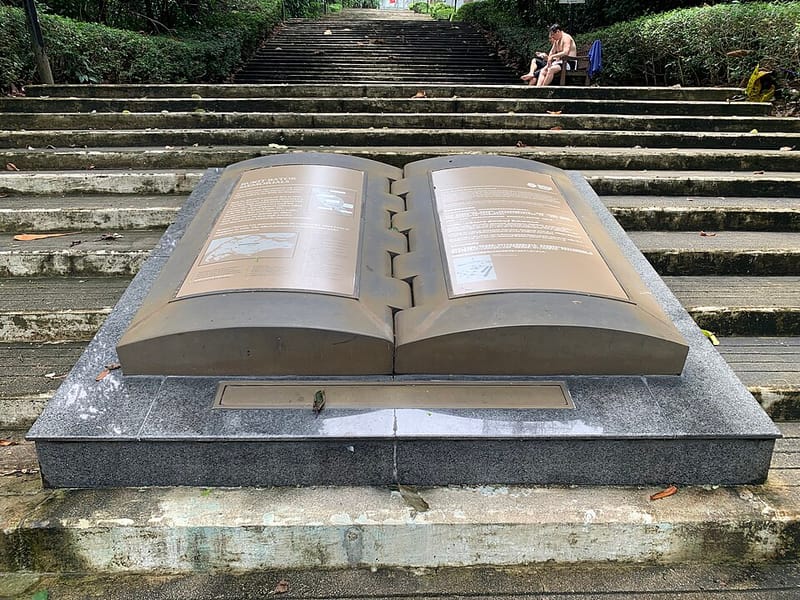
The Bukit Batok Memorials
The Bukit Batok Memorials are historically significant landmarks located in Bukit Batok, within the western region of Singapore. These memorials were built to commemorate soldiers who lost their lives during the World War II, particularly during the Japanese Occupation of Singapore. The site includes two main structures: the Civilian War Memorial and the Japanese War Memorial, which reflect different perspectives of the war. Surrounded by lush greenery on a hilltop, the memorial park offers a quiet and reflective environment for visitors. The remnants of wartime structures and interpretive markers help tell the story of the conflict and its impact on Singapore. Today, the Bukit Batok Memorials serve as a place of remembrance and education, honoring those who suffered and died, while reminding visitors of the importance of peace and resilience in Singapore’s history.
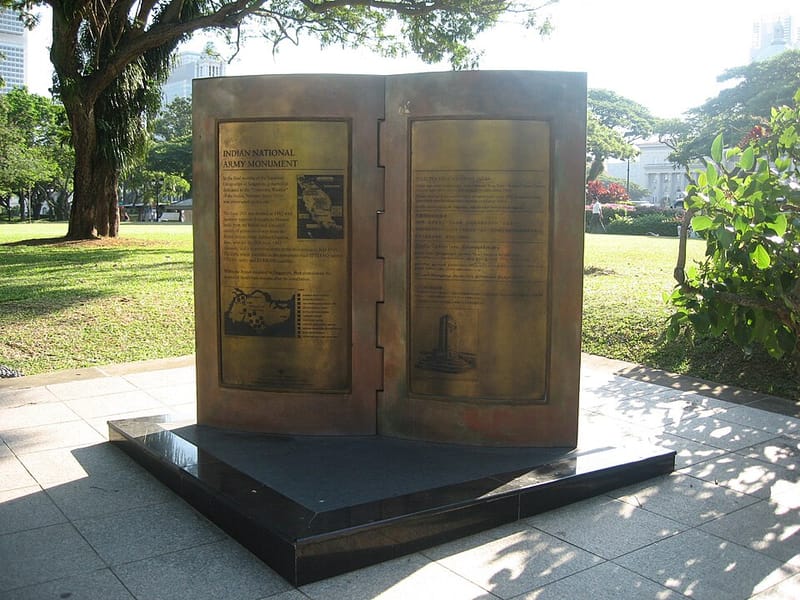
Former Indian National Army Monument
The Former Indian National Army Monument is a significant heritage landmark located in Esplanade Park, within the civic district of Singapore. The original monument was erected in 1945 by the Indian National Army to honor soldiers who fought for India’s independence during the World War II. It was unveiled by Subhas Chandra Bose, a prominent leader of the independence movement. However, the monument was destroyed shortly after the war by British forces. Today, a commemorative marker stands in its place, recognizing its historical importance. Although modest in appearance, the site carries deep symbolic meaning, representing sacrifice, resistance, and the complex wartime history of Singapore. It also reflects the contributions of Indian soldiers and the broader struggle for independence during a turbulent period in the region’s past.
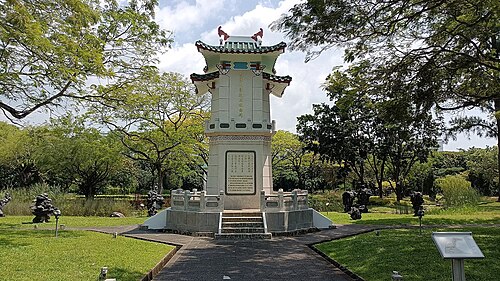
The Nanyang University Memorial
The Nanyang University Memorial is a meaningful landmark located within the campus of Nanyang Technological University in the western part of Singapore. It commemorates the former Nanyang University, which was established in 1956 as Singapore’s first Chinese-language university and an important symbol of Chinese education in Southeast Asia. The memorial features preserved architectural elements, including the iconic arch and monuments that reflect the university’s legacy. Nanyang University played a significant role in shaping Singapore’s educational landscape before it merged with the University of Singapore in 1980 to form the National University of Singapore. Today, the memorial serves as a reminder of the aspirations and contributions of early students and educators. It stands as a tribute to the development of higher education and the multicultural identity of Singapore.
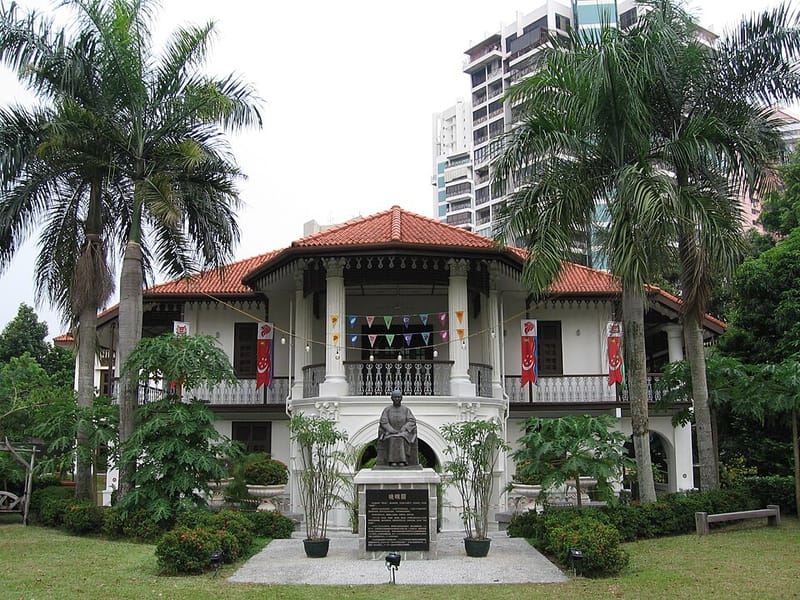
The Sun Yat Sen Nanyang Memorial Hall
The Sun Yat Sen Nanyang Memorial Hall, also known as Wan Qing Yuan, and formerly as the Sun Yat Sen Villa, is a two-story colonial style villa in Balestier, Singapore. The villa is now a museum commemorating Sun Yat Sen (1866–1925), the founding father of the Republic of China who visited Singapore nine times between 1900 and 1911. Located at 12 Tai Gin Road off Ah Hood Road in Balestier, the villa occupies an area of approximately 3,120 square metres (33,600 sq ft) and played a crucial role in the 1911 Xinhai Revolution by serving as the Tongmenghui's base in Nanyang (Southeast Asia) in the early 20th century.
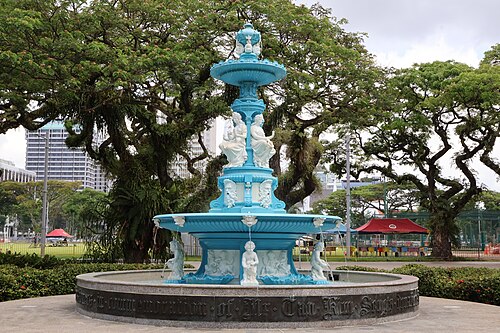
Tan Kim Seng Fountain
Tan Kim Seng was a prominent Straits-born Chinese merchant and philanthropist in 19th-century Singapore, known for his contributions to public infrastructure and community welfare. He was born in Malacca in 1805 and later became a successful trader in Singapore, engaging in the tin and opium trade. Despite his business success, he is best remembered for his generosity, especially his donation toward Singapore’s first public waterworks system in 1857, which greatly improved sanitation and public health. A fountain was later built in his honor, parts of which still stand today at the Esplanade Park. Tan Kim Seng also supported education and various charitable causes within the Chinese community. His legacy reflects the spirit of civic responsibility and early philanthropy in colonial Singapore. He passed away in 1864, but his contributions continue to be remembered as foundational in Singapore’s development and urban infrastructure growth in early colonial period of Singapore history significantly.
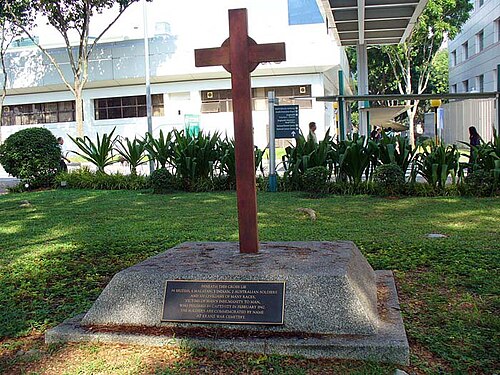
The SGH War Memorial
The SGH War Memorial is a significant heritage landmark located within the grounds of the Singapore General Hospital in Singapore. It commemorates the hospital staff and medical workers who lost their lives during World War II, particularly during the Japanese Occupation of Singapore. The memorial serves as a solemn reminder of sacrifice, resilience, and the challenges faced by the medical community in times of conflict. It features the names of staff members who perished, and it stands today as a place of reflection and remembrance for visitors and hospital staff. Today, it remains an important historical site that highlights Singapore’s wartime history and honours the dedication of healthcare workers who served under extremely difficult conditions. Visitors to the site are encouraged to reflect on its legacy and the broader importance of peace, service, and remembrance in modern Singapore. It stands as a lasting tribute to courage and sacrifice remembered always.
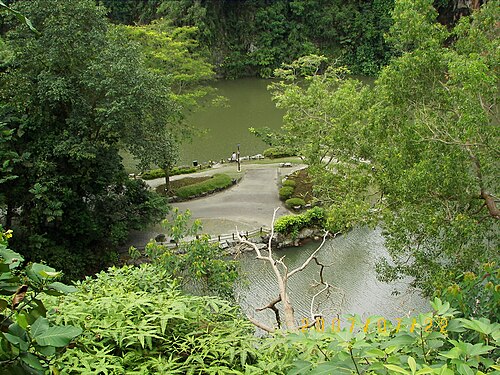
Bukit Batok Nature Park
Bukit Batok Nature Park is a peaceful green space located in the western part of Singapore. Developed in 1988 on an old quarry site, the park is well known for its scenic beauty, especially the tranquil quarry lake surrounded by steep cliffs. It covers about 36 hectares and offers visitors a relaxing escape from the busy city environment. The park features walking trails, lush secondary forest, and opportunities for birdwatching and photography. Visitors can also explore historical elements such as the World War II memorial plaque, which commemorates soldiers who died during the war. The terrain includes gentle slopes and some steeper paths, making it suitable for both casual walkers and fitness enthusiasts. With its rich biodiversity, visitors may spot wildlife like birds, bats, and monkeys. Overall, Bukit Batok Nature Park is a great place for nature walks, relaxation, and learning about Singapore’s natural and historical heritage
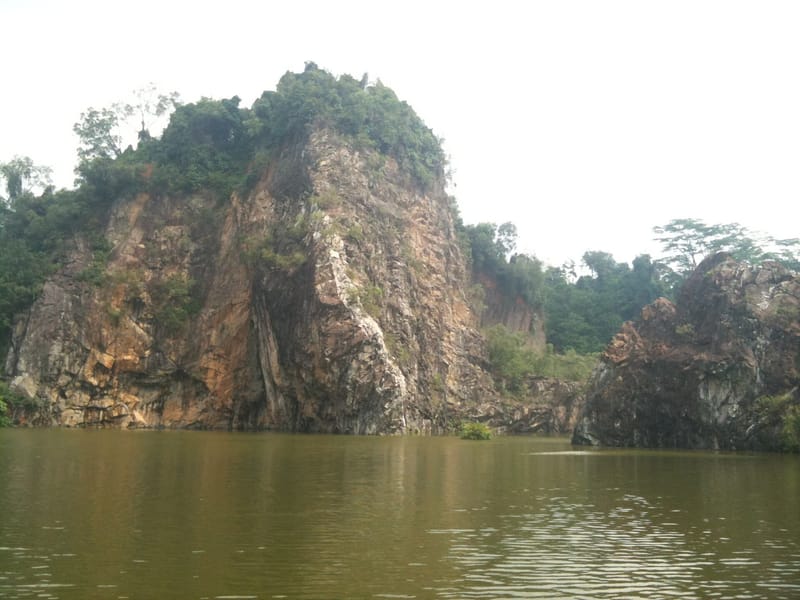
Bukit Batok Town Park Little Guilin
Bukit Batok Town Park, also known as Little Guilin, is a scenic park located in the Bukit Batok area of Singapore. The park is famous for its striking granite rock formations and a tranquil lake, which resemble the landscapes of Guilin in China. It was developed on a former quarry site and has since become a popular spot for photography, jogging, and relaxation. Covering about 42 hectares, the park offers well-paved walking paths, fitness corners, and quiet seating areas for visitors to enjoy nature. The peaceful surroundings and unique geological features make it an ideal escape from urban life. Visitors can often spot birds and other small wildlife around the lake. Whether for exercise or leisure, Bukit Batok Town Park provides a calm and picturesque environment for people of all ages to unwind and connect with nature.
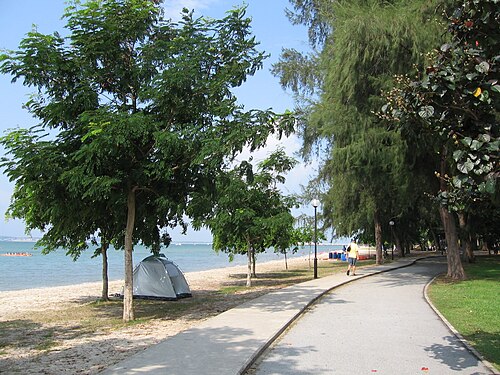
Changi Beach Park
Changi Beach Park is one of the oldest coastal parks in Singapore, stretching along the northeastern coastline near Changi. Known for its relaxed “kampung-style” atmosphere, the park offers a nostalgic seaside experience that is quite different from the city’s modern parks. It spans about 3.3 kilometres and is popular for picnics, cycling, jogging, and family gatherings. Visitors can enjoy sandy beaches, shady casuarina trees, and scenic views of the sea, with planes often flying overhead from nearby Changi Airport. The park is also a well-known spot for fishing and barbecues, with many designated BBQ pits available. In addition, it holds historical significance due to its connection to events during World War II. With its peaceful environment and coastal charm, Changi Beach Park remains a favourite destination for both locals and tourists seeking relaxation by the sea.
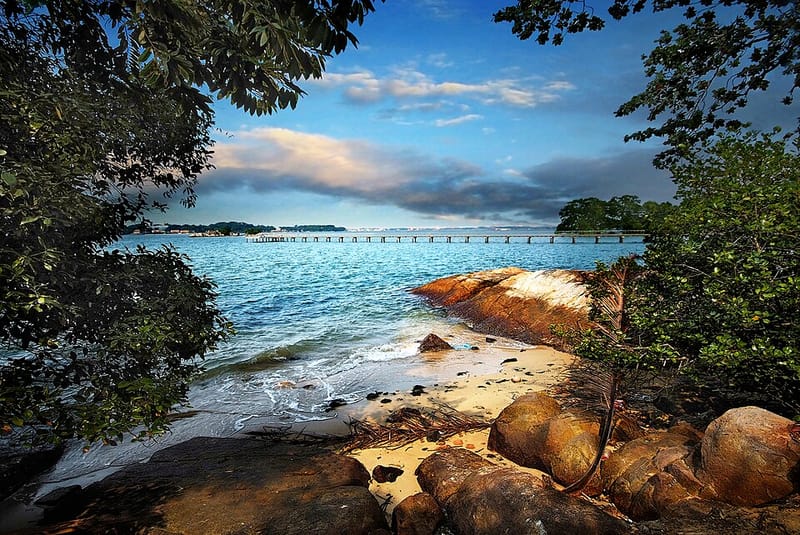
Chek Jawa Wetlands Pulau Ubin Singapore
Chek Jawa Wetlands is one of Singapore’s richest natural ecosystems, located on the eastern tip of Pulau Ubin. This unique wetland area brings together several distinct habitats, including sandy beaches, rocky shores, seagrass lagoons, mangroves, and coastal forests, all within a small area. It is well known for its biodiversity, where visitors can spot a wide variety of marine life such as sea stars, crabs, and even rare species during low tide. The wetlands are protected and carefully managed, making them an important site for conservation and environmental education. Visitors can explore the area via boardwalks that wind through mangroves and coastal habitats, or climb the Jejawi Tower for panoramic views. Chek Jawa offers a rare glimpse into Singapore’s natural heritage, providing a peaceful and educational experience for nature lovers, students, and photographers alike.
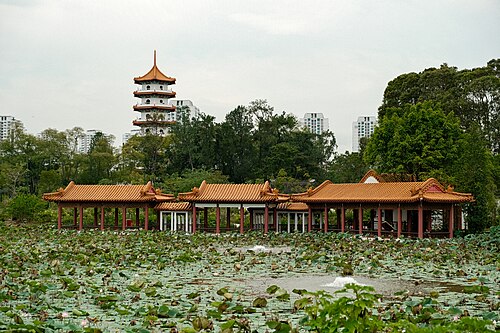
Chinese Garden
Chinese Garden is a scenic park in western Singapore, designed based on traditional Chinese landscaping principles. Opened in 1975, it reflects the elegance of classical northern Chinese gardens, with features such as ornate pavilions, curved bridges, and peaceful lakes. A striking white bridge welcomes visitors into the garden, symbolizing balance and harmony. The park also includes attractions like a pagoda and a bonsai collection, offering visitors a glimpse into Chinese culture and horticulture. With its well-maintained paths and lush greenery, the garden is ideal for leisurely walks, exercise, and photography. Visitors can enjoy a calm and relaxing environment while appreciating the artistic layout of plants and structures. Although some areas have been redeveloped as part of nearby park improvements, Chinese Garden remains an important cultural and recreational space where people can unwind and connect with nature.
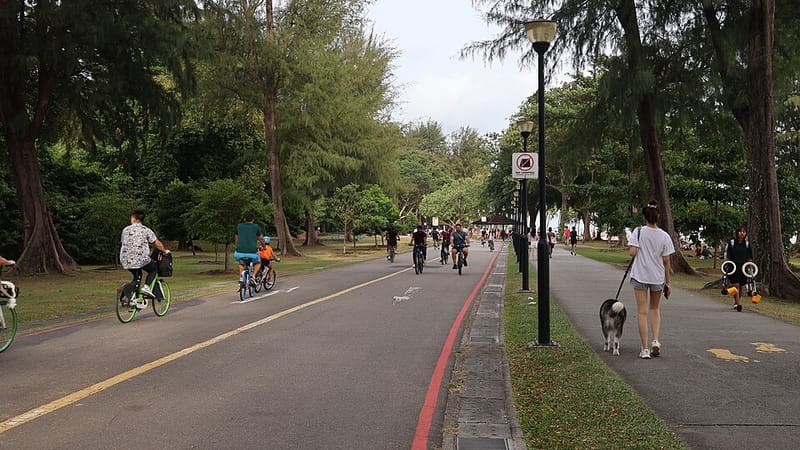
East Coast Park
East Coast Park is one of Singapore’s most popular and largest coastal parks, stretching over 15 kilometres along the southeastern shoreline. Built on reclaimed land, the park offers a wide range of recreational activities for people of all ages. Visitors can enjoy cycling, jogging, rollerblading, and barbecuing along its scenic coastline. The park is also well known for its sandy beaches, where families and friends gather for picnics and outdoor fun. There are numerous food outlets and hawker centres nearby, making it a great place to enjoy local cuisine after activities. East Coast Park is also a favourite spot for water sports such as kayaking and windsurfing. With its combination of leisure facilities, greenery, and sea views, the park provides a refreshing escape from city life. It is an ideal destination for relaxation, exercise, and social gatherings by the sea.
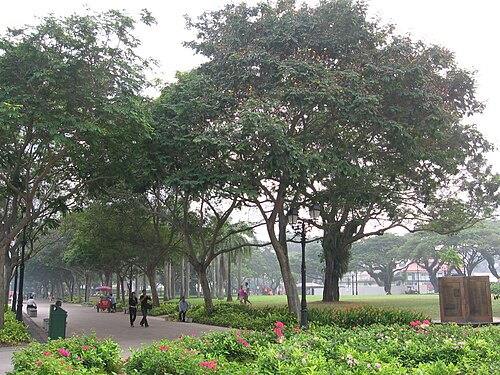
Esplanade Park Singapore
Esplanade Park is a historic waterfront park located in the heart of Singapore’s civic district. Situated near the iconic Esplanade – Theatres on the Bay, the park offers scenic views of the Singapore River and Marina Bay area. Established in the early 20th century, it is one of the oldest parks in Singapore and holds significant cultural and historical value. The park features several important memorials, including the Lim Bo Seng Memorial, which honours a World War II hero. Lined with shady trees and open lawns, it provides a peaceful environment for relaxation, leisurely walks, and photography. Its central location makes it easily accessible and a popular resting spot for both tourists and office workers. With its blend of heritage landmarks and green space, Esplanade Park remains an important part of Singapore’s urban landscape and a place where history meets modern city life.
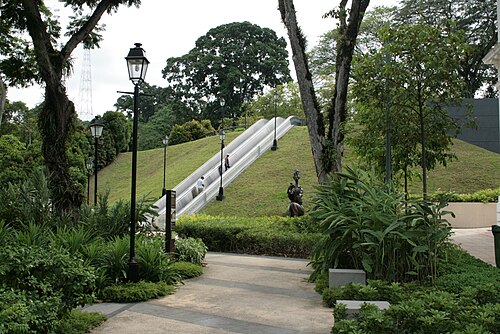
Fort Canning Park Singapore
Fort Canning Park, located on Fort Canning Hill, is a historic park in the heart of Singapore’s city centre. Rich in history, the hill once served as a royal palace for ancient Malay kings and later became a strategic military base during colonial times. Today, the park blends heritage with nature, offering visitors a peaceful escape surrounded by lush greenery. It features attractions such as the iconic spiral staircase at Fort Canning Tree Tunnel, historic gates, and remnants of old fortifications. The park is also home to several gardens, walking paths, and open lawns used for events and performances. Visitors can explore landmarks like the Battlebox, a former underground command centre from World War II. With its mix of cultural significance and natural beauty, Fort Canning Park is a popular destination for history lovers, tourists, and locals seeking relaxation in the city.
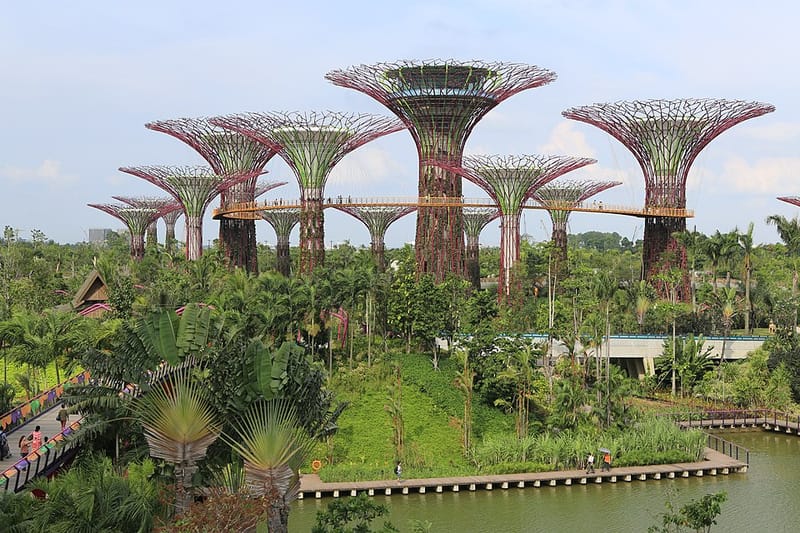
Garden by the Bay
Gardens by the Bay is a world-famous nature park located in the Marina Bay area of Singapore. Opened in 2012, it showcases a unique blend of nature, technology, and sustainable design. The park covers 101 hectares and is best known for its futuristic Supertree Grove, which features towering tree-like structures that light up beautifully at night. It also includes two large cooled conservatories, the Flower Dome and the Cloud Forest, which display plants from different climates around the world. Visitors can enjoy themed gardens, scenic waterfront views, and walking trails throughout the park. Gardens by the Bay is not only a popular tourist attraction but also a symbol of Singapore’s “City in a Garden” vision. With its stunning landscapes and innovative design, it offers an unforgettable experience for nature lovers, photographers, and families alike.
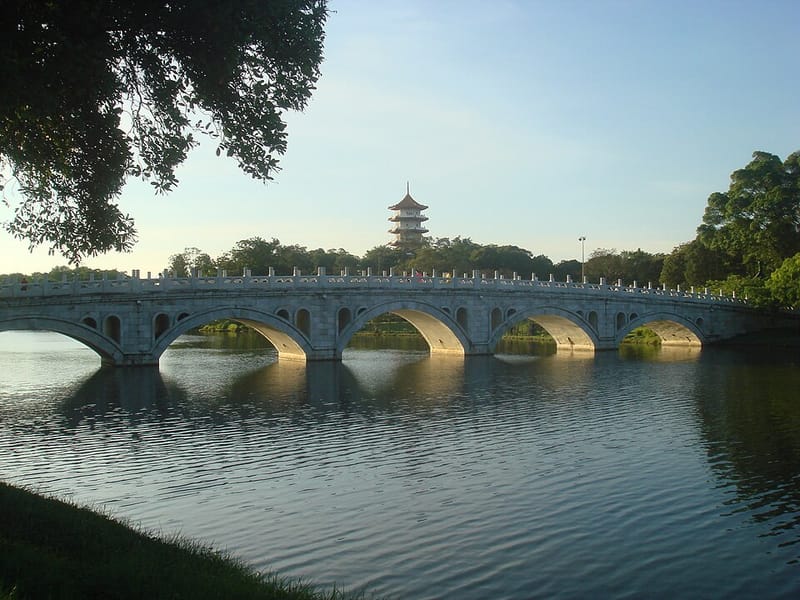
Japanese Garden
Japanese Garden is a peaceful landscape garden located in the western part of Singapore, designed in the traditional style of Japanese gardening. It was originally opened in 1974 and was created to reflect the calmness and simplicity of Japanese culture. The garden features stone lanterns, arched bridges, koi ponds, waterfalls, and carefully arranged plants that create a serene atmosphere. One of its highlights is the beautifully designed bridge connecting it to the nearby Chinese Garden, symbolising harmony between two cultures. The garden is ideal for quiet walks, meditation, photography, and relaxation away from the busy city life. Visitors can enjoy the soothing sound of water features and the beauty of bonsai-style landscaping. Although parts of the surrounding area have been redeveloped into Jurong Lake Gardens, the Japanese Garden remains an important cultural and scenic space for nature lovers and visitors seeking peace and tranquility.
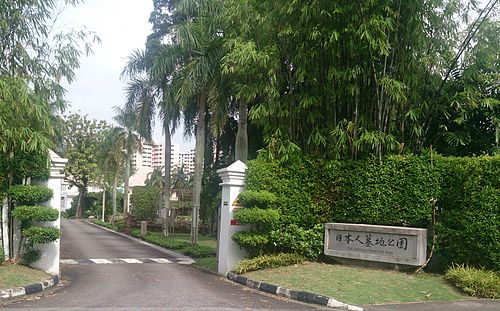
Japanese Cemetery Park
Japanese Cemetery Park is a quiet heritage site located in the Hougang area of Singapore. Established in 1891, it is the largest Japanese cemetery in Southeast Asia and serves as the final resting place for many early Japanese settlers, traders, and their families who lived in Singapore before and during the colonial period. The park is well maintained and features traditional Japanese-style graves, stone monuments, and landscaped greenery that create a calm and respectful atmosphere. It also includes memorials dedicated to Japanese pioneers and civilians, reflecting the shared history between Singapore and Japan. Today, it is not only a burial ground but also a cultural and historical site that offers visitors insight into the lives of early Japanese communities in Singapore. The peaceful surroundings make it suitable for quiet reflection, historical learning, and heritage appreciation.
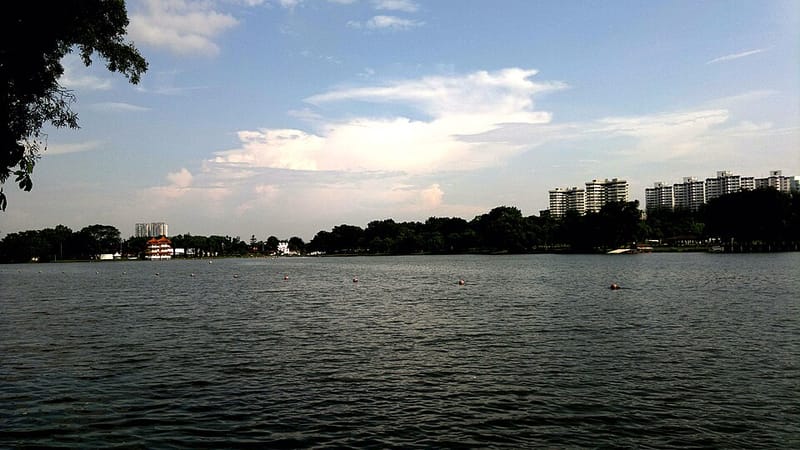
Jurong Lake Garden
Jurong Lake Gardens is a large national garden located in the western part of Singapore, designed as the country’s first “people’s garden in the heartlands.” It brings together natural landscapes, water features, and recreational spaces around the scenic Jurong Lake. The gardens were redeveloped and officially reopened in stages, transforming the area into a vibrant green space for residents and visitors. It consists of three main sections: Lakeside Garden, Chinese Garden, and Japanese Garden (redeveloped areas), each offering different attractions and experiences. Visitors can enjoy walking trails, playgrounds, water play areas, and beautiful lakeside views. The park also promotes environmental education and biodiversity, with habitats that support birds, butterflies, and other wildlife. With its wide open spaces and family-friendly facilities, Jurong Lake Gardens is a popular destination for relaxation, exercise, and outdoor activities. It reflects Singapore’s vision of creating nature-filled spaces within urban living.
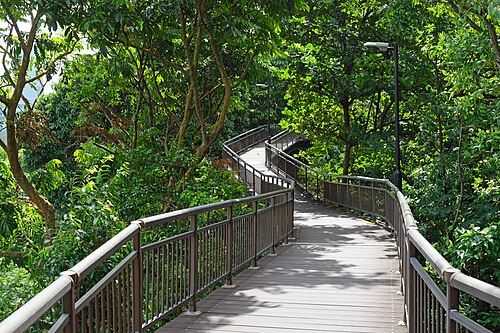
Kent Ridge Park Singapore
Kent Ridge Park is a historic and scenic park located in the southwest of Singapore, near the National University of Singapore. It is part of the Southern Ridges network and is well known for its rich biodiversity and lush secondary rainforest. The park covers about 47 hectares and offers visitors a peaceful environment for walking, jogging, and birdwatching. One of its key highlights is its strong historical significance, as it was a major site during World War II, particularly the Battle of Pasir Panjang. Today, visitors can explore nature trails, canopy walks, and the Reflections at Bukit Chandu museum nearby, which commemorates the Malay Regiment’s bravery during the war. The park also features elevated viewpoints where visitors can enjoy panoramic views of the city and surrounding greenery. Kent Ridge Park is ideal for both nature lovers and history enthusiasts seeking a quiet escape in Singapore.
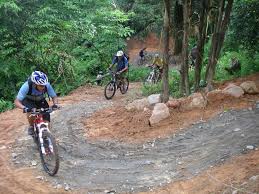
Ketam Mountain Bike Park Pulau Ubin
Ketam Mountain Bike Park is Singapore’s first and only dedicated off-road mountain biking trail, located on Pulau Ubin. Designed to give riders a natural and challenging experience, the park features a network of dirt trails that pass through dense forest, rocky terrain, and steep slopes. The trails are built with different difficulty levels, making it suitable for both beginners and experienced cyclists. Riders can enjoy exciting downhill sections, sharp turns, and wooden obstacles that test balance and control. The park is surrounded by rich biodiversity, allowing visitors to experience nature while engaging in outdoor sports. It was developed to promote eco-friendly recreation and to preserve Pulau Ubin’s rustic environment. Ketam Mountain Bike Park is popular among cycling enthusiasts who want a break from urban cycling paths and prefer a more adventurous and rugged experience in a natural setting.
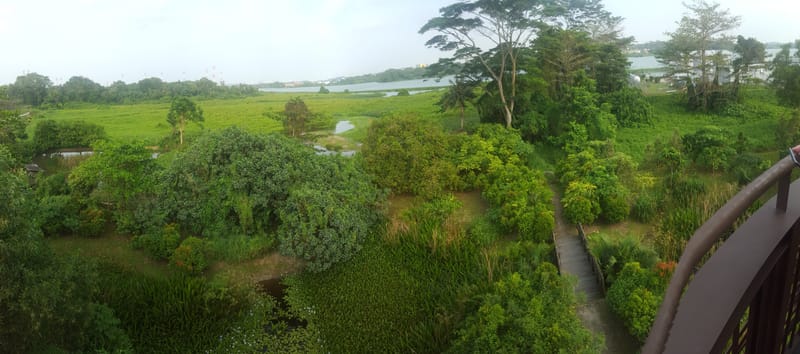
Kranji Marshes freshwater Marshes in Singapore
Kranji Marshes is one of the largest freshwater marshes in Singapore, located in the northwest near the Kranji Reservoir. It is a protected wetland area that plays an important role in supporting biodiversity and conserving waterbirds. The marsh covers about 56 hectares, with a core conservation area surrounded by a buffer zone of secondary forest and grassland. Visitors can explore boardwalks and nature trails that allow close observation of the wetland ecosystem without disturbing the habitat. One of the highlights is the Raptor Tower, which offers panoramic views of the marsh and surrounding reservoir. The area is especially popular among birdwatchers, as it is home to species such as herons, kingfishers, and migratory birds. Kranji Marshes provides a peaceful escape from urban life while promoting environmental education and conservation awareness. It is an ideal destination for nature lovers, photographers, and students studying ecology.
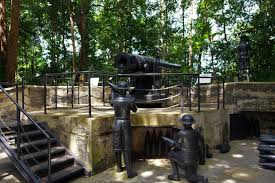
Labrador Nature Park
Labrador Nature Park is a coastal park located in the southern part of Singapore, near Pasir Panjang. It is part of the Southern Ridges and is well known for its combination of natural coastline, secondary forest, and historical relics. The park features scenic sea views along the Berlayer Creek boardwalk, where visitors can observe mangroves and coastal wildlife. It is also an important historical site, as it once housed British military defence structures during World War II. Remnants such as bunkers, gun emplacements, and tunnels can still be seen today, adding a historical dimension to the park. Visitors can enjoy walking trails, birdwatching, and peaceful seaside views while exploring both nature and heritage. With its quiet atmosphere and rich biodiversity, Labrador Nature Park is a popular spot for relaxation, photography, and learning about Singapore’s coastal history and environment.
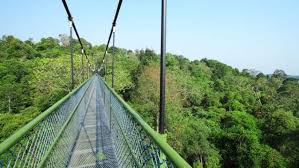
MacRitchie Reservoir Park
MacRitchie Reservoir Park is one of Singapore’s oldest and most well-known nature reserves, located in the central part of the island within the Central Catchment Nature Reserve. Built in the 1860s, the reservoir is an important water catchment area and a popular destination for outdoor activities. The park is famous for its lush rainforest trails, scenic boardwalks, and rich biodiversity. One of its most popular attractions is the TreeTop Walk, a suspension bridge that offers panoramic views of the forest canopy. Visitors can also enjoy jogging, hiking, kayaking, and wildlife spotting, with animals such as monkeys, monitor lizards, and various bird species commonly seen. The trails range from easy paths around the reservoir to longer, more challenging jungle hikes. MacRitchie Reservoir provides a refreshing escape into nature while also playing a vital role in Singapore’s water supply system. It is ideal for fitness enthusiasts and nature lovers alike.
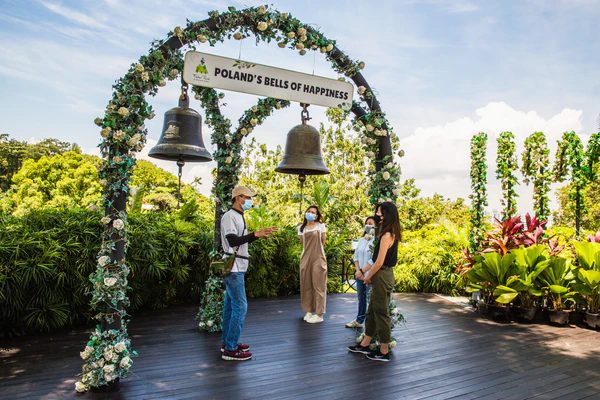
Mount Faber Park Singapore
Mount Faber, formerly Telok Blangah Hill, is a hill about 94 metres (308 ft) in height, located in the town of Bukit Merah in the Central Region of Singapore. It overlooks the Telok Blangah area and the western parts of the Central Area. The summit is accessible by Mount Faber Road or Mount Faber Loop via Morse Road, but there are many footpaths or trails leading up the hill. The main paths are: Marang Trail, which leads from Marang Road at the HarbourFront MRT station (Exit D), and the Southern Ridges Park Connector which connects from Telok Blangah Hill Park, Kent Ridge Park, and Henderson Waves. It is a major tourist attraction, as it provides a panoramic view of the dense central business district within the Central Area.Its slope includes a tower that is part of the Singapore cable car system that connects to HarbourFront and Sentosa. It is accessible from the HarbourFront MRT station.
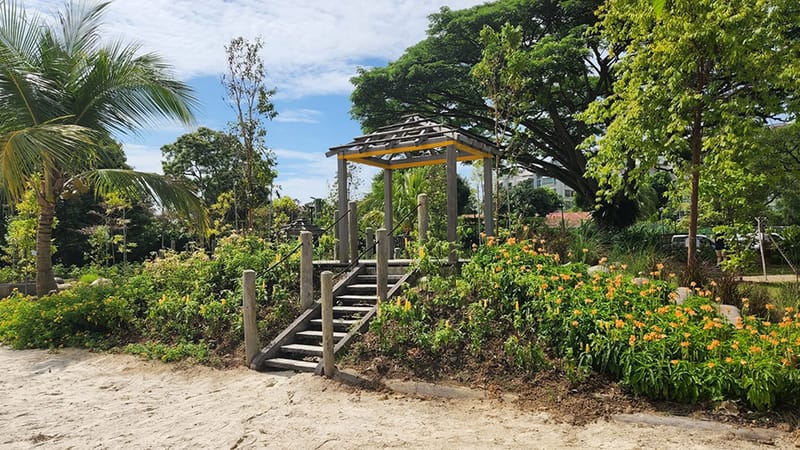
Pasir Ris Park
Pasir Ris Park is a large coastal park located in the eastern part of Singapore. It is known for its wide open spaces, sandy beach, and relaxed family-friendly atmosphere. The park stretches along the shoreline and features mangrove forests, cycling paths, and well-maintained picnic areas. One of its highlights is the mangrove boardwalk, where visitors can observe coastal wildlife such as mudskippers, crabs, and birds in their natural habitat. The park is also popular for cycling, jogging, fishing, and barbecues, making it a favourite weekend destination for families and friends. Children can enjoy the playgrounds and open fields, while nature lovers can explore the rich biodiversity within the mangrove ecosystem. With its combination of nature, recreation, and seaside views, Pasir Ris Park offers a refreshing escape from city life and is one of Singapore’s most enjoyable outdoor leisure spots.
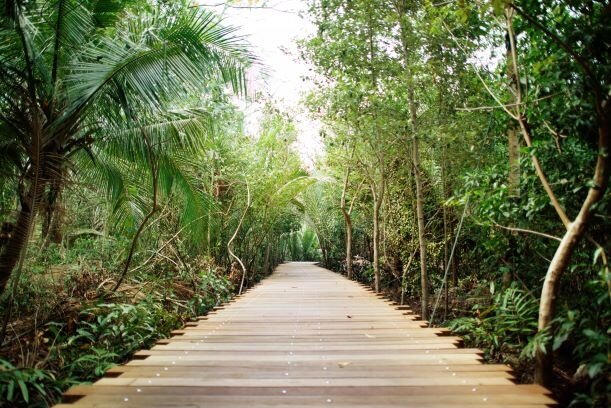
Pulau Ubin Singapore
Pulau Ubin is a small island located off the northeastern coast of Singapore, known for its rustic charm and rich natural environment. It is one of the last areas in Singapore that still reflects the traditional “kampung” (village) lifestyle, with simple wooden houses, unpaved roads, and a slow-paced atmosphere. The island is popular for outdoor activities such as cycling, hiking, birdwatching, and nature photography. It is home to diverse ecosystems, including mangroves, wetlands, forests, and granite quarries that have been naturally reclaimed by vegetation. Visitors can explore attractions such as Chek Jawa Wetlands and Ketam Mountain Bike Park. Pulau Ubin also plays an important role in conservation and environmental education, allowing people to experience Singapore’s natural heritage as it once was. The island offers a peaceful escape from urban life and is ideal for adventure seekers and nature lovers.
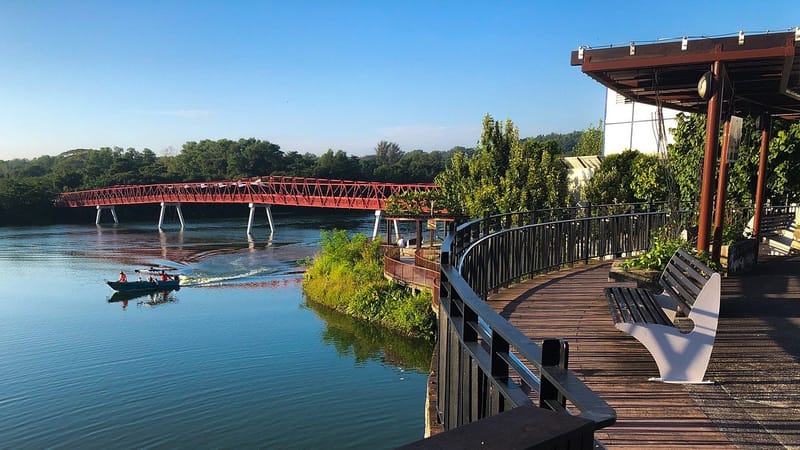
Punggol Park
Punggol Park is a scenic neighbourhood park located in the northeastern part of Singapore. It is designed as a community park that offers a peaceful environment for residents and visitors to relax and enjoy outdoor activities. The park features a large tranquil lake at its centre, surrounded by walking and jogging paths that are popular with families, joggers, and cyclists. Lush greenery and shady trees provide a comfortable setting for picnics and leisure walks. The park also includes playgrounds, fitness corners, and open spaces for community gatherings and recreational activities. Birdwatching is another popular activity, as the park attracts various local bird species. With its calm atmosphere and well-maintained facilities, Punggol Park serves as a green oasis in a residential area. It is an ideal destination for relaxation, exercise, and spending quality time with family and friends in nature.
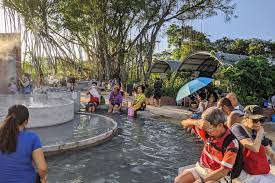
Sembawang Park & Hot Spring
Sembawang Park is a quiet coastal park located in the northern part of Singapore, known for its relaxed seaside atmosphere and natural surroundings. The park features a sandy beach, shady casuarina trees, and open grassy spaces that are popular for picnics, barbecues, and family gatherings. Visitors can enjoy views of the Johor Strait and watch ships passing by, creating a peaceful and scenic environment. A key historical feature is the old naval jetty, which reflects the area’s past as a British naval base. Near the park, visitors can also experience the famous Sembawang Hot Spring Park, the only natural hot spring in Singapore, where people can soak their feet in warm mineral-rich water. The combination of coastal scenery and unique geothermal activity makes the area special. With its calm setting and recreational facilities, Sembawang Park is ideal for relaxation, outdoor activities, and nature appreciation.
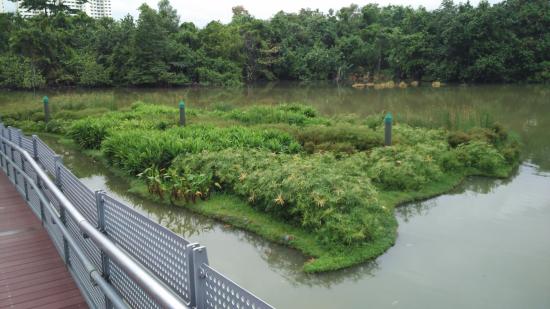
Sengkang Riverside Park Singapore
Sengkang Riverside Park is a scenic park located in the northeastern part of Singapore along the Punggol Reservoir. It is designed as a riverside green space that connects nature with the surrounding residential estates. The park is well known for its peaceful waterfront views, open grasslands, and rich biodiversity. One of its main highlights is the floating wetland, which helps support aquatic plants and wildlife while improving water quality in the reservoir. Visitors can enjoy activities such as jogging, cycling, birdwatching, and family picnics along the well-maintained park connectors. The park is also home to many bird species, including herons and kingfishers, making it popular among nature enthusiasts. With its calm environment and modern facilities, Sengkang Riverside Park provides a refreshing escape for residents and visitors. It is an ideal place for relaxation, exercise, and enjoying nature within a residential neighbourhood.
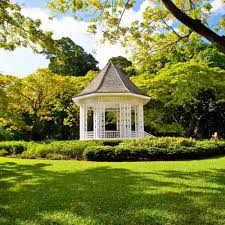
Singapore Botanic Gardens
Singapore Botanic Gardens is a UNESCO World Heritage Site located near Orchard Road in the central region of Singapore. Established in 1859, it is the country’s oldest garden and plays an important role in conservation, research, and education. The gardens cover 82 hectares and feature beautifully landscaped lawns, lakes, themed gardens, and tropical rainforest areas. One of its most famous attractions is the National Orchid Garden, which showcases thousands of orchid species and hybrids. Visitors can also enjoy Swan Lake, the Ginger Garden, and wide open spaces perfect for picnics, jogging, and relaxation. The Botanic Gardens is home to rich biodiversity, including birds, monitor lizards, and turtles. It is a popular destination for both tourists and locals who want to enjoy nature in a peaceful urban setting. With its historical significance and natural beauty, it is one of Singapore’s most iconic green spaces.
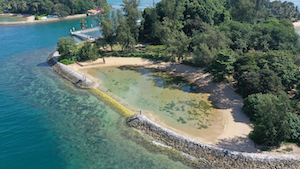
Sisters’ Islands Marine Park
Sisters’ Islands Marine Park is Singapore’s first marine park, located in the southern waters of the country. It consists of two main islands, Big Sister’s Island and Little Sister’s Island, and is part of efforts to conserve marine biodiversity and protect coral reef ecosystems. The marine park is home to a variety of sea life, including corals, reef fish, sea stars, and other coastal organisms. It is an important site for environmental research, education, and conservation in Singapore. Visitors can explore designated areas for snorkeling and guided walks, where they can learn about marine habitats and the importance of protecting ocean life. The islands are also linked to local folklore, adding cultural interest to their natural beauty. With its clear waters and rich biodiversity, Sisters’ Islands Marine Park offers a rare opportunity to experience Singapore’s marine environment and understand the importance of ocean conservation.
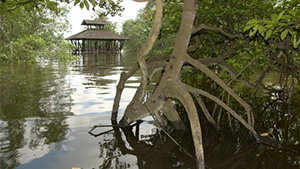
Sungei Buloh Wetland Reserve
Sungei Buloh Wetland Reserve is a protected wetland reserve located in the northwestern part of Singapore near the Kranji area. It is one of the most important nature conservation sites in the country and is internationally recognised for its rich mangrove ecosystem and role as a stopover point for migratory birds. The reserve covers about 130 hectares and features boardwalks, trails, and observation hides that allow visitors to explore the wetlands without disturbing the wildlife. It is especially popular among birdwatchers, who can spot species such as herons, kingfishers, and shorebirds during migration seasons. The reserve also supports other wildlife, including mudskippers, monitor lizards, and mangrove crabs. Sungei Buloh provides valuable opportunities for environmental education and research, helping visitors learn about wetland conservation and biodiversity. It is an ideal destination for nature lovers, photographers, and students interested in ecology.
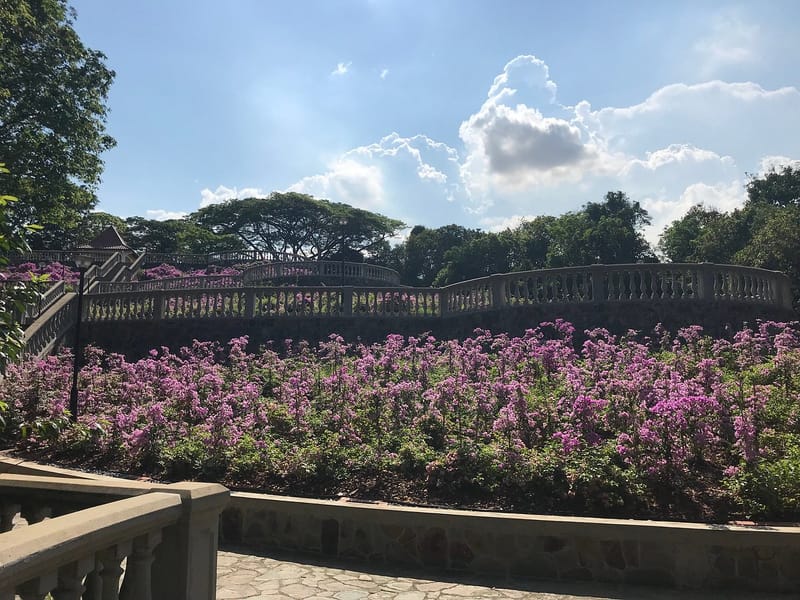
Telok Blangah Hill Park
Telok Blangah Hill Park is a scenic hilltop park located in the southern part of Singapore, forming part of the famous Southern Ridges trail. The park is well known for its lush greenery, peaceful atmosphere, and elevated walking paths that offer stunning views of the city skyline, HarbourFront, and nearby islands. One of its most iconic features is the “Wave” bridge, a uniquely designed pedestrian bridge that connects Telok Blangah Hill Park to Mount Faber Park, creating a continuous nature walkway. The park is also home to the historical “Terrace Garden,” which features beautifully landscaped steps and terraces that are popular for photography and relaxation. Visitors can enjoy jogging, hiking, and nature walks along well-maintained trails surrounded by secondary rainforest. With its combination of natural beauty, architectural design, and scenic viewpoints, Telok Blangah Hill Park is a favourite destination for both fitness enthusiasts and visitors seeking a quiet escape in nature.
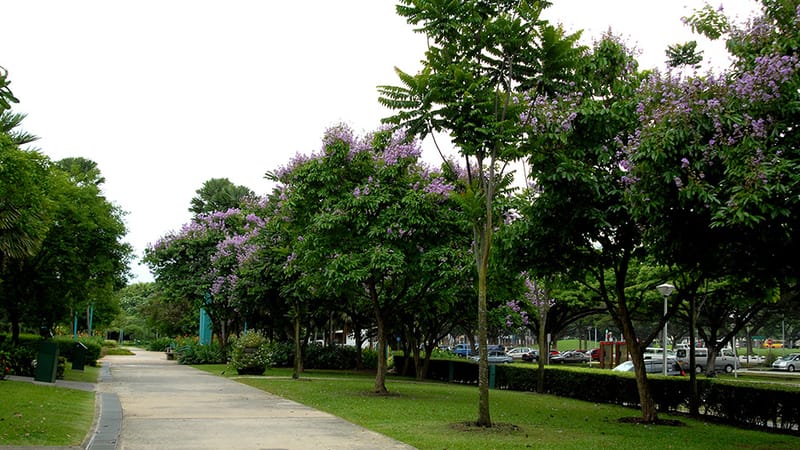
West Coast Park Singapore
West Coast Park is a large coastal park located in the western part of Singapore, near Clementi and the National University of Singapore. It is known for its wide open spaces, family-friendly facilities, and relaxed seaside atmosphere. The park stretches along the coastline and features grassy fields, cycling paths, and playgrounds, making it a popular destination for families, students, and fitness enthusiasts. One of its most famous attractions is the Adventure Playground, which is one of the largest playgrounds in Singapore and offers exciting play structures for children of different ages. The park also has BBQ pits, picnic areas, and fitness corners, making it ideal for outdoor gatherings and recreation. Visitors can enjoy views of the sea, passing ships, and occasional kite flying in the open fields. With its combination of nature and recreational facilities, West Coast Park provides a peaceful escape and an enjoyable outdoor experience for all ages.